

Acetone’s story starts back in the 1800s, in an age when chemistry had become the workshop of industrial progress and medicine alike. Chemists found acetone as an obscure by-product of the destructive distillation of wood—Charles Frédéric Gerhardt and Auguste Laurent gave it serious attention. The world changed with the First World War. The Allies struggled to find enough acetone for making cordite, a key gunpowder ingredient. Chaim Weizmann’s fermentation method, using Clostridium acetobutylicum bacteria, offered a game-changing solution; this discovery not only pushed science forward but also touched world politics—ultimately helping Weizmann gain influence for the Zionist cause. After that war, petroleum made acetone easier to produce at giant scale, and its identity as a laboratory oddity vanished as it became a foundation stone for many industries.
Few liquids cross so many paths in daily routines as acetone. Chemistry students meet it early cleaning glassware in the lab. It gives nail polish remover its distinct, sharp scent. Factories lean on acetone to clean machinery, dissolve adhesives, and thin resins before spraying paint on cars and furniture. Paint stores stock jugs of it on the shelf. Acetone smoothly dissolves many plastics and fats, making it the secret behind “plastic-welding” and spot cleaning stubborn oil marks. Its low boiling point means it doesn’t hang around long—a quick flash of vapor, and the work surface is dry. Pharmaceuticals wouldn't look the same without it, since acetone gets used to purify and formulate drugs behind the scenes. In homes, it can remove sticky residue from price tags. Acetone quietly bridges everyday life and advanced manufacturing.
Acetone shows up as a colorless, mobile liquid, with a distinctive smell most people remember after a single sniff—sweetish but biting, almost like fruit gone sharp. Its evaporative punch surprises many: it boils at just under 56°C, and its vapor takes over a room with almost no effort. Water won’t keep it out; acetone mixes easily, and swiftly, with water and ethanol. In its structure, just three carbons hold a carbonyl group—with that arrangement, it doesn’t just dissolve itself in water but helps sweep up grease and other organics. Flammable, with a low flash point, it stores its own risks. Its vapor forms explosive mixtures in air, so open flames don’t play well with it. All this volatility and solvency gives it an outsized influence for such a simple molecule.
Across labs and shops, acetone has to show its credentials. Labels tend to mark it as technically pure (lab grade), reagent grade, or industrial strength, depending on where it lands. Each tier relates to the presence—or absence—of water and pesky contaminants like methanol or other ketones. High-purity acetone finds a home in delicate analyses, where a stray trace can ruin results. On a can at the hardware store, expect warning triangles for fire, and words highlighting eye and skin irritation hazards. Chemical supply companies list boiling point, density (close to 0.79 g/cm³), and CAS number 67-64-1, along with manufacturer-specific batch numbers. The information aims to make sure no one picks up a mysterious, mislabeled bottle, since acetone and similar solvents have real consequences when misused.
Factories rarely carve acetone out of wood anymore. Industrial chemistry stepped up a century ago, with the cumene process reigning for decades. Here, benzene couples with propylene to form cumene, then oxygen pushes cumene into hydroperoxide, which slices itself apart to form acetone and phenol. This clever bit of trickery makes acetone plentiful wherever petrochemicals flow. Biotechnologists are still curious about Weizmann’s bacterial process—researchers want to reclaim sustainability. If bacteria could efficiently chow down on biomass instead of oil, tomorrow’s acetone might rival fossil-fueled batches in cost and carbon footprint. The methods keep evolving, urging chemistry to balance old tricks and new ideas.
Acetone wears its carbonyl group on its sleeve, inviting all sorts of reactions. Give it a strong base—it forms enolates, vital intermediates in creating complex molecules in pharmaceuticals and agrochemicals. It participates eagerly in aldol condensations, linking carbon frameworks together. Reductions turn it into isopropanol, valuable as a disinfectant. In the lab, chemists tweak acetone’s framework, throwing in halogens for direct substitution or using it to build larger rings. Oxidizing agents can take acetone down to acetic acid and carbon dioxide. Its chemical flexibility lets it act as a midway house in dozens of synthesis pathways, even helping stabilize sensitive reagents as a solvent, or sometimes becoming the target molecule itself.
Call it acetone, dimethyl ketone, or propanone—these names show up often. Some older texts mention β-ketopropane or 2-propanone. On bottles and MSDS sheets, the numbers 67-64-1 make a shorthand appearance. Everyday users seldom bother with these names, but in chemical industries, clarity keeps things safe.
You can smell acetone before you see it spilled on the bench—this serves as both a warning and a reminder to ventilate spaces. Its volatility and low flash point mean that a stray spark or static discharge can ignite vapor clouds. Labs mandate goggles and solvent-resistant gloves because acetone dries and irritates skin fast enough to matter. Prolonged inhalation, while rare with today’s fume hoods, can bring on headaches or dizziness—a sure sign to step outside and breathe fresh air. Storage in tight, grounded metal containers helps prevent accidental vapor build-up and off-gassing into rooms, which could lead to both acute hazards and chronic exposure problems. For those who work with acetone daily, attention turns routine: safety showers available, fire extinguishers tested, and no shortcuts in handling.
Industry leans on acetone as both a tool and a building block. Synthetic resin production, especially for acrylics and polycarbonates, wouldn’t work on this scale without reliable acetone streams. It cleans metal parts, prepares medical devices, strips coatings, and keeps electronics spotless before assembly. In the world of polymers, acetone’s dissolving habit gets exploited to create smooth edges and join parts that otherwise couldn’t bond. Research labs treat acetone as a universal rinse; sometimes it’s the only thing that cleans glassware after sticky organic messes. At home, it clears up nail polish in seconds and strips dried glue from surfaces. Manufacturers use it to extract and purify other chemicals, including pharmaceuticals, spices, and flavorings, as its volatility allows clean separation by distillation. This all-around usefulness keeps acetone’s future bright.
Researchers keep poking at acetone from all angles. The focus has turned to greener, more sustainable production lines. Projects in biotech labs are tinkering with genetic tweaks to old fermentation bacteria, coaxing them into yielding higher acetone output from cheaper, non-food waste. Others push for improved catalysts to make the cumene process both more energy-efficient and less polluting. In coatings and adhesives, scientists experiment with acetone alternatives that would pose less fire risk or offer even lower toxicity—though so far, acetone’s unbeatable performance keeps it front and center. Toxicologists monitor workplace trends, ensuring exposure limits set years ago still cover real-world risks. Every increment in process safety or yield lands extra dollars on the bottom line or, just as importantly, prevents health mishaps.
Every year brings new studies of acetone’s effects on human health and the environment. At low concentrations, most people handle it without obvious trouble; the body breaks down acetone to innocuous end products. Nail salon workers and industrial operators, who spend hours around higher vapor levels, make up the main concern. Some report headaches, dry skin, or eye irritation. Rare but real, serious overexposure can depress the central nervous system or cause respiratory issues. Children or sensitive folks feel the bite from acetone vapors more easily, prompting calls for better exhaust fans and workplace monitoring. Accidental ingestion brings risk of nausea and drowsiness, but fatal cases remain rare. Ecologically, acetone evaporates before it lingers in water or soil, though spills in closed systems—like aquariums—could bring trouble fast. So, vigilance and thoughtful use matter more than fear.
Future prospects for acetone revolve around responsible use and finding the sweet spot between necessity and safety. Green chemistry shapes how industry and academia view solvents, with many teams hunting for biodegradable, less flammable replacements. So far, nothing quite matches acetone’s perfect mix of power and convenience. Upcycled production methods, using renewable feedstocks, edge into the mainstream each year, with both environmental advocates and business strategists motivated to make acetone with a lower carbon footprint. Advances in process automation, real-time monitoring, and improved ventilation promise a workplace where acetone does its work without putting health or safety on the line. While regulations get tightened worldwide, demand keeps rising somewhere in the supply chain, reminding us that even simple molecules deserve a careful look as the world pushes for safer, greener, and more efficient ways to get things done.
Most people think of acetone as something found in nail salons or tucked away in the garage. I used to see it the same way, mostly as a strong-smelling liquid that helped clean up spilled paint or old polish. But over the years, I realized how deeply woven acetone runs through both home routines and entire industries.
Acetone knows how to loosen things up—literally. It breaks down substances that water can’t touch, earning its place as a valued solvent. This skill has shaped how countless products get manufactured and used. Remove stubborn adhesives from glass and plastic, strip paint from models and furniture, and degrease tools after a long day of tinkering. Acetone tackles these jobs without leaving a greasy film behind, which may seem trivial, but anyone who’s tried to clean engine parts knows how valuable this is.
I’ve seen pharmacists and laboratory workers use acetone to clean glassware and instruments. The reason goes beyond its cleaning power—it dries fast, so there’s less waiting around, and it doesn’t leave residue that might interfere with experiments. In labs and factories, every minute counts. Slow-drying solvents gum up workflows and risk errors that end up costing much more down the line. Acetone’s speed keeps things moving.
The story of acetone stretches well past home use. Factories use it to make plastics, fibers, and pharmaceuticals. Think about how many things around the house, from eyeglass frames to phone cases, started out as resins and plastics shaped and cleaned with acetone. Medical labs rely on it for preparing tissue samples, which helps pathologists get accurate results. Even though fewer people experience this side of acetone firsthand, the ripple effects reach all of us every time someone gets a reliable diagnosis or a strong, high-quality plastic tool.
With great cleaning power comes risk. Breathing acetone fumes in small, unventilated spaces can give you headaches or dizziness. I’ve felt it myself after painting in a cramped room. Spills near heat or flame can spark fires—acetone evaporates and ignites quickly. While it breaks down in air faster than other solvents, dumping it down the drain or into the ground can still harm the water supply. Factories have begun to recover and recycle acetone vapor before it escapes into the air, which works better than just burning off old solvent and hoping for the best.
Acetone isn’t going away. Instead of hoping for sweeping bans, there’s a smarter path forward: safer use, more recycling, and better education. Use acetone only if plenty of fresh air can circulate. Store it far from heat or open flames. Wear gloves instead of letting it soak into skin all the time; your hands will thank you eventually. Community hazardous-waste programs offer a much better home for leftover acetone than the trash can or toilet. On the factory side, continued investment in closed systems captures fumes and cuts down on waste, so fewer workers breathe it in and less solvent ends up in the air.
No single solution knocks out all the risks overnight, but small changes add up. Acetone proves we rely on chemistry more than most of us realize—sometimes at our own expense if we act carelessly. Respecting the stuff and using common sense helps keep that power working for us rather than against us.
For a lot of people, acetone means nail polish remover. It’s in bathrooms and salons all over the place. Some even use it to clean up stubborn paint stains at home. Rubbing acetone on your skin might not seem like a big deal after watching nail techs do it hundreds of times, but there’s more to the story.
Human skin puts up a pretty good fight against a lot of the stuff we throw at it, but acetone still takes its toll. This chemical pulls moisture right out of our skin. Dermatologists talk about acetone wrecking the natural oils on the skin’s surface, leaving dryness and irritation behind. After enough exposure, your hands can feel rougher, sometimes peeling, and small cracks can turn painful. It’s not just people with sensitive skin who feel this – anyone using acetone day after day runs into the same trouble.
Medical evidence stacks up behind the warnings. Research shows acetone strips away protective lipids in the skin, making it easier for germs and chemicals to sneak in. Folks who work in beauty salons often deal with chapped hands and have an easier time picking up skin infections. Over time, redness and flaking make it obvious the skin’s getting beat up. People with eczema or psoriasis learn quickly that acetone acts as a trigger – one swipe brings out the rashes.
I’ve tried removing stubborn glue with acetone during a project. The dry, tight skin wasn’t worth the clean-up. That unmistakable squeaky feeling stayed for hours. Years of feedback from readers echo the same thing: even one use dries out skin, and regular contact can mean long-term damage.
Acetone can also soak in past the outer layer. The CDC has shown that while small amounts don’t pose much danger for most healthy adults, larger or repeated exposures mean acetone builds up in the body. Nausea, headaches, dizziness—these all can creep up if you spend too much time around open bottles of the stuff or soak your hands too long at the salon.
Acetone’s strong cleaning power keeps it a popular choice, especially in nail salons or creative workshops. But the health of our skin matters, not just for looks but as the body’s main barrier to the outside world. Even tough hands have limits.
If regular exposure leaves your skin raw or irritated, think about gloves or shifting to less-harsh alternatives like non-acetone polish removers. Keeping moisturizer nearby makes a world of difference after using harsh chemicals. Salons that focus on caring for the hands behind the nails help their teams stay healthy and keep customers comfortable. Safety data from the FDA and CDC back up these habits. Washing hands with soap and water after using acetone and protecting cuts or scrapes proves useful over time.
Learning how these chemicals interact with skin shouldn’t scare anyone away from acetone entirely, but it does push us to use common sense. Most jobs done with acetone rarely need much contact with bare skin. Anyone spending hours doing manicures or crafts should have a good moisturizer handy and rubber gloves ready. Pressure from both customers and employees in the beauty industry has sparked change in how workplaces handle chemicals like acetone. More training and better equipment come along as more people demand safer spaces.
I always think about long-term habits, not just quick fixes. Sticking to small adjustments—limiting exposure time, keeping skin clean and hydrated, looking for safer alternatives—gives us better odds of keeping hands healthy, even with acetone in the cleaning kit or nail bag.
Nobody exactly lines up for chemistry class, but some of the most basic science lessons sneak into daily routines. Take acetone, for example. It’s that sharp-smelling liquid sitting quietly in clear plastic bottles or in fancier disguises on makeup counters. For decades, acetone has lived in bathroom drawers, arm-in-arm with cotton balls, rescuing chipped nails and faded polish with a few firm swipes.
Nail polish clings to nails with stubborn, lacquered grip. This gloss owes its tenacity to resins, plasticizers, and pigments—the polish world’s tough guys. Water barely makes a dent, but acetone, a solvent derived from simple carbon chemistry, breaks those stubborn bonds. Touch a polish-clad nail with acetone, and the bonds loosen, color lifts, and the cotton ball swipes away what felt permanent minutes before.
This happens fast for a reason. Acetone gets right into the polish’s structure. It dissolves plasticizers and softens the resin so that the colored film rattles off. Quick removal is not just luck; it’s organic chemistry in action. No gimmick, no hocus-pocus.
People might not stop to think about what regular acetone use does to the body because its results look so clean—no more polish, no sticky residue. But there’s a catch. Years of personal experience and talking to nail techs add up: acetone dries out skin and nails in a hurry. It doesn’t pick favorites, stripping away natural oils along with polish. Dry, brittle nails and cracked cuticles creep up slowly for those who reach for acetone a lot.
The science backs this up. Dermatology studies note that repeated exposure to acetone roughs up the protective layer on nails and irritates surrounding skin. For people with already sensitive skin, this can lead to peeling, redness, sometimes even splits that sting for days.
Is acetone effective? Absolutely. The stuff gets the polish off fast, especially darker shades or stubborn glitters. But efficiency comes at a price. Anyone who’s been left with parched fingertips after a DIY mani knows the trade-off. So, informed choices make all the difference.
For lighter shades or softer touch-ups, gentler, non-acetone formulas get the job done. They take patience, but keep natural oils where they belong. When acetone feels like a must—think glitter overload or thick gels—pair it with a plan: moisturize before and after. Use petroleum jelly on the cuticle to build a barrier, wear gloves when using pure acetone on other tasks, and don’t soak nails longer than absolutely needed.
This isn’t just talk about beauty routines–it’s about picking everyday habits with eyes wide open. Education beats panic every time. The chemistry behind acetone earns respect, but personal experience proves how quickly convenience can tug health in a different direction. At the nail counter or at home, a bit of informed care keeps polish removal simple and skin happy.
Plenty of people think of acetone as the nail polish remover tucked away under the bathroom sink. In reality, acetone holds much more weight in workplaces ranging from automotive shops to research labs. I’ve seen firsthand that a sloppy approach can lead to headaches, ruined equipment, and health scares that don’t just disappear after opening a window. Storage is the foundation of safety with acetone. One mistake here and the whole job’s on the line.
Acetone gives off a heavy vapor that moves fast and finds its way into areas you wouldn’t expect. It doesn’t just vanish with time or a cracked door; instead, it lingers until someone lights a match, causes a spark, or simply breathes too much in. The vapor’s low ignition point has caused more than a few small fires in spaces I’ve worked, all because someone left a container open or used a thin plastic bottle. OSHA tracks dozens of similar accidents every year, and most boil down to storing acetone in flimsy, leaky, or mislabeled containers.
Thinking back, I remember a time a friend kept old acetone in a generic water bottle in his garage. He figured a bottle’s a bottle. That only works until the plastic starts to soften and collapse, leaking acetone onto shelves and sending toxic fumes into the air. Metal or heavy-duty polyethylene containers keep the chemical locked inside, and manufacturers design these to handle the pressure and acidity over months. Safety cans usually get a spring-loaded cap—this stops vapor leaks and blocks accidental ignition from a spark.
We all want storage out of the way. But tucking acetone into a cluttered, stuffy corner invites a mess. Walk into any responsible lab and you’ll see flammable storage cabinets, painted yellow and made from steel. These give real separation from heat and sunlight, and they slow down a fire long enough for folks to leave. Keeping containers off the ground protects them from impact; good practice from factories to school science rooms. Air flow can help, but direct sunlight and heaters spell disaster, raising pressure and risking explosions.
Labels seem obvious until you spot three mystery bottles in a cabinet and can’t remember what’s in each one. I’ve learned to write with big, bold letters, including the word “FLAMMABLE.” It takes one minute and saves hours of confusion and expensive emergencies. Not every shop follows that rule, though—blurred, faded labels are a common sight where corners get cut. Regulations require clear marking, and for good reason. Nobody wants to pour acetone into a coffee mug by mistake.
Storing acetone isn’t just about the bottle and the closet. Any real system includes spill kits, absorbent pads, and enough ventilation to move vapors out of the workspace. I keep an eye on expiration dates and the health of containers. Leaky caps or bulging sides mean immediate cleanup and fresh storage. Training isn’t about paranoia—it’s about making sure everyone uses the chemical without injury or incident. Regular practice runs keep staff sharp, which prevents panicked responses later.
People work with acetone because it gets results—it strips paint, cleans metal, and dissolves messes that soap and water can’t touch. That usefulness only works if safety is the rule from the start. Reliable storage, clear labels, and attention to minor details stop trouble before it starts. I’ve seen teams learn from near misses and grow more cautious with each passing year. Treating acetone with the respect it deserves brings peace of mind to everyone involved. That’s the sort of habit that pays off every single day.
Anyone who’s ever used nail polish remover has probably caught a whiff of acetone. It’s not something most people think twice about, even though it’s everywhere: at salons, garage workbenches, hospital labs. That’s the odd thing about it—this colorless liquid seems harmless, almost friendly. But there’s more to the story, and it’s a story worth hearing.
Let’s cut right to the chase: acetone is flammable. To put it plainly, get it near an open flame or even a spark, and it can ignite easily. Some folks are surprised, but the science lines up. Acetone has a very low flash point—this means it gives off enough vapor to catch fire at temperatures well below what most people might expect. Set a room temperature bottle of acetone near a match, and you’ll have a problem.
Having worked with both household cleaning products and solvents in a chemistry lab, I’ve witnessed how quickly ordinary habits can go sideways. A colleague once set a flask of acetone near a Bunsen burner by mistake. The flame flared up almost instantly. It doesn’t take much—a puddle on the counter, a forgotten lighter on the workbench, sunlight streaming through a window. That risk is real.
Many folks don’t see household liquids as threats. There’s a mental list of “dangerous chemicals” most people carry: gasoline, bleach, maybe ammonia. Acetone never cracks the top five. People bleach their jeans with it, soak off shellac, clean up sticky residue all without a second thought. Familiarity becomes its own kind of blind spot.
The CDC and OSHA have both flagged acetone for flammability. Fires started by flammable liquids account for thousands of structural fires each year. Most of these don’t begin in factories or research labs—they start in homes and garages. Cases involving acetone appear on the fire marshal’s desk more often than you’d guess. The National Fire Protection Association lists enough horror stories to fill a pamphlet. Simple ignorance isn’t just an excuse, it’s a hazard.
Taking simple precautions changes the game. Keep acetone away from heat sources. Store it in sealed, labeled containers out of direct sunlight. If you use it at home, crack a window, and use only as much as you need. Don’t pour used acetone down the drain or leave soaked cotton balls in the trash inside. I’ve seen folks get lazy about this and regret it later.
Teaching respect for chemicals starts early—kids should see adults treating household supplies with care. Workplaces already train staff about fire risks, but every home could use a reminder. Posting a sign near storage cabinets or attaching notes to cleaning kits goes a long way. Awareness isn’t expensive, but accidents are.
Knowing that acetone is flammable isn’t just trivia—it’s common sense safety. From a jar on the shelf to spilled drops on the floor, its risks follow closely. Respect for simple facts can keep small mistakes from becoming disasters. That’s worth remembering every time you reach for the bottle.
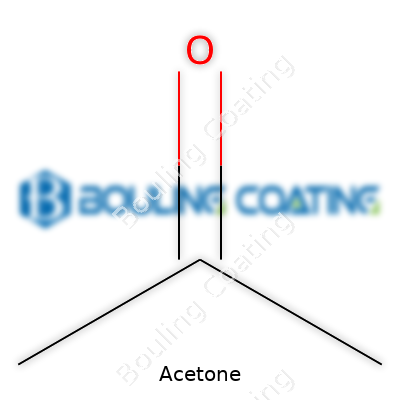
| Names | |
| Preferred IUPAC name | propan-2-one |
| Pronunciation | /ˈæs.ɪ.təʊn/ |
| Identifiers | |
| CAS Number | 67-64-1 |
| 3D model (JSmol) | CC(=O)C |
| Beilstein Reference | 635680 |
| ChEBI | CHEBI:15347 |
| ChEMBL | CHEMBL14053 |
| ChemSpider | 175 |
| DrugBank | DB01749 |
| EC Number | 200-662-2 |
| Gmelin Reference | Gmelin: 1466 |
| KEGG | C00207 |
| MeSH | Acetone |
| PubChem CID | 180 |
| RTECS number | AL3150000 |
| UNII | 1364PS73AF |
| UN number | 1090 |
| Properties | |
| Chemical formula | C3H6O |
| Molar mass | 58.08 g/mol |
| Appearance | colorless liquid |
| Odor | sweet, fruity |
| Density | 0.784 g/cm3 |
| Solubility in water | Miscible |
| log P | -0.24 |
| Vapor pressure | 30.6 kPa |
| Acidity (pKa) | 19.3 |
| Basicity (pKb) | 21.2 |
| Magnetic susceptibility (χ) | -33.8 × 10^-6 cm³/mol |
| Refractive index (nD) | 1.3588 |
| Viscosity | 0.32 mPa·s |
| Dipole moment | 2.88 D |
| Thermochemistry | |
| Std molar entropy (S⦵298) | 200.4 J/(mol·K) |
| Std enthalpy of formation (ΔfH⦵298) | -248.1 kJ/mol |
| Std enthalpy of combustion (ΔcH⦵298) | -1789.8 kJ/mol |
| Pharmacology | |
| ATC code | D08AX08 |
| Hazards | |
| GHS labelling | GHS labelling: Signal Word: Danger; Hazard Pictograms: GHS02, GHS07; Hazard Statements: H225, H319, H336, EUH066; Precautionary Statements: P210, P233, P240, P241, P242, P243, P280, P303+P361+P353, P305+P351+P338, P337+P313, P370+P378, P403+P235, P501. |
| Pictograms | GHS02, GHS07 |
| Signal word | Danger |
| Hazard statements | H225 H319 H336 EUH066 |
| Precautionary statements | P210 P233 P240 P241 P242 P243 P261 P264 P271 P280 P303+P361+P353 P304+P340 P305+P351+P338 P312 P337+P313 P370+P378 P403+P235 P501 |
| NFPA 704 (fire diamond) | 1-3-0 |
| Flash point | Flash point: -20°C (-4°F) |
| Autoignition temperature | 465 °C |
| Explosive limits | 2.6% - 12.8% |
| Lethal dose or concentration | LD50: 5800 mg/kg (oral, rat) |
| LD50 (median dose) | 5800 mg/kg (rat, oral) |
| NIOSH | NIOSH REL: TWA 250 ppm (590 mg/m³), STEL 500 ppm (1180 mg/m³); IDLH: 2500 ppm |
| PEL (Permissible) | 1000 ppm (2400 mg/m³) |
| REL (Recommended) | TWA 250 ppm (590 mg/m3); STEL 1000 ppm (2400 mg/m3) |
| IDLH (Immediate danger) | 2500 ppm |


