

Butyl acrylate didn’t start out as a chemical used in everyday goods. It traces its roots back to the early days of industrial chemistry, when scientists hunted for new ways to make plastics flexible and paints more durable. The story of butyl acrylate runs alongside the rise of modern manufacturing techniques in the 20th century, with its broad adoption picking up speed after chemists figured out efficient ways to produce acrylic acid and its esters on a large scale. The post-war boom fueled the spread, with growing demand for synthetic fibers, adhesives, and surface coatings. My own introduction to butyl acrylate came in a university lab surrounded by endless jars of viscous liquids, each labeled with mysterious names, as we learned how these molecules quietly worked their magic in real-world products.
Walk into any hardware store and odds are high you’ve brushed shoulders with goods crafted from butyl acrylate. This colorless, liquid monomer acts as a starting point for so many useful things: water-based paints that coat houses, adhesives that keep shoes together, rubbery textiles that stretch without snapping. Its charm comes from the butyl group, which brings flexibility and softness, and the acrylate part, which allows it to link together in long, tough chains. The result is a chemical that doesn’t just sit inside products as a silent ingredient—it gives them much of their resilience, gloss, and bounce.
The strong, fruity scent of butyl acrylate lingers in the air if you ever open a bottle. It slips through your fingers faster than water but sticks around in the air longer than you’d expect. Curious students learn quickly that it evaporates more easily than many solvents, but it isn’t as heavy as oils. Its boiling point hangs around 145°C, which matters if you’re trying to separate it from other compounds in the lab. It mixes well with most organic liquids but not with water. That makes cleanup a pain, but it means it settles nicely in products like water-resistant paints. The double bond in its structure lets it react with itself and others, providing a playground for chemists to build new materials.
Any company bottling butyl acrylate tracks its purity and checks for inhibitors that stop it from reacting on its own in storage. Purity usually sits above 99 percent for industrial buyers. A trace of hydroquinone or a similar stabilizer helps keep unwanted reactions at bay. Standard labels highlight its flammability, eye irritation risk, and the need for proper storage. Governments around the globe set their own rules about labeling, but safety warnings about vapor inhalation and skin contact show up almost everywhere. Anyone using it in manufacturing must keep levels of residual monomers below regulatory limits—something that hits home for workers who don’t want sore eyes and itchy skin at the end of their shift.
Making butyl acrylate starts with the reaction of acrylic acid and butanol, typically in the presence of an acid catalyst. Industrial setups fine-tune temperature and pressure to squeeze out as much product as possible while recycling byproducts where they can. Excess alcohol often gets distilled off for reuse. Modern factories optimize the chemistry to keep impurities low and minimize waste, using columns and reactors that look more like something out of a science fiction film than an artisanal workshop. The shift from small-batch synthesis to continuous processes not only cut costs but also dropped the environmental burden—an ongoing focus for any producer that hopes to keep its operating license in a world with tighter regulations.
Butyl acrylate isn’t limited to one trick. Once you start polymerizing it—linking the molecules together into chains—it forms poly(butyl acrylate), the stretchy, tough backbone in much of today’s high-performance coatings and adhesives. Chemists can tweak its properties by adjusting which molecules it pairs up with. Copolymers made with methyl methacrylate or styrene change how soft, hard, or glossy the end product turns out. Add a dash of a cross-linking agent, and those chains start weaving together in three dimensions, boosting toughness and resistance to solvents. This flexibility in modification lets manufacturers dial in exactly the balance of stretch, stickiness, and strength needed for new products.
Depending on where you shop or what industry you work in, you’ll hear butyl acrylate called by a handful of names. Chemists might stick with “n-butyl acrylate,” some databases list its CAS number, and older literature occasionally refers to it by arcane trade names. The synonyms don’t change what you’re getting, but they can cause confusion if you’re hunting down hazard data or regulatory standards from different countries. Some producers brand their materials for marketing, but beneath the surface, the primary molecule does the heavy lifting across countless products.
Butyl acrylate brings plenty of power to the table, but it demands respect in the workplace. It irritates eyes and skin, and its sharp smell means you notice quickly if ventilation slips. Complying with occupational exposure limits matters more than ever now that evidence links overexposure to longer-term respiratory issues. Most plants and labs rely on closed systems and fume hoods, with PPE like gloves and goggles considered non-negotiable during handling. Emergency plans must tackle spill containment and fire prevention—a familiar drill for anyone who’s ever watched a safety inspector walk through the site checklist in the early morning hours. Training remains the backbone of any program. Veteran operators often take newcomers under their wing, explaining how a few simple habits, like double-checking connections and keeping incompatible chemicals apart, make all the difference between routine work and disaster.
Every time I roll a fresh layer of paint on a wall, I’m reminded of how butyl acrylate’s flexibility lets the color stay bright and intact through changing seasons. Walk through any modern building and look more closely at the floors and windows—acrylic adhesives and sealants lend staying power in everything from carpets to weatherstrip. The textile industry finds use in high-performance elastic fibers. The automotive world leans on its durability in coatings that withstand summer’s sun and winter’s salt. Labels and tapes stick better thanks to pressure-sensitive adhesives made from its polymers. Companies seeking biodegradable plastics experiment with it. While consumers rarely know the chemical names behind these products, entire sectors rely on the unique balance of softness, resilience, and chemical resistance that it brings.
New uses for butyl acrylate keep bubbling up as material scientists push performance boundaries. I remember reading about research on waterborne polymer coatings that aim to beat older, solvent-based systems for both environmental impact and long-term durability. Projects examine how tweaks at the molecular level boost weather resistance or make films that block UV rays more effectively. Other teams focus on reducing residual monomers, since these leftover molecules contribute to odor and toxicity, especially in indoor applications. Eco-designs seek greener alternatives to the catalysts and solvents used in production. Partnerships between universities and businesses speed up discovery, letting small-batch lab experiments turn into industrial products within years instead of decades. The search for biobased feedstocks sits at the frontier, holding out the promise of sustainable acrylics without the usual reliance on petrochemicals.
Toxicologists keep a close eye on butyl acrylate, especially as new studies track its fate in work environments and finished consumer goods. Short-term contact leads to classic chemical irritation, especially in eyes and lungs. Long-term effects don’t stack up quite as aggressively as some other industrial monomers, but that doesn’t mean regulators can drop their guard. Scientists track its residues in water and soil, looking at breakdown products and how quickly natural bacteria mop them up. Animal studies measure doses and look for signs of chronic toxicity, setting guardrails for workplace exposure and environmental discharge. Consumer safety watchdogs drive ongoing tweaks to manufacturing specs, always pushing for lower migration rates in things like food packaging adhesives or items used by children. Public trust depends on continued transparency and research, not just for regulatory compliance but for basic peace of mind.
Looking ahead, butyl acrylate faces both challenge and opportunity. Calls for sustainable chemistry grow louder every year, so pressure mounts to refine production methods, squeeze out every drop of waste, and source greener raw materials. Researchers keep an optimistic eye on the next wave of biobased monomers. The shift to waterborne coatings—already underway in much of the coatings industry—brings both technical hurdles and the hope of lower emissions. Improving recycling methods for polymers containing butyl acrylate remains a huge target, as the world keeps generating mountains of synthetic waste. For me, the lesson from decades of chemical innovation is clear: steady advances in both process and safety, backed by real-world data and open dialogue, will determine whether butyl acrylate keeps its status as a quiet hero of modern materials or gets sidelined by something newer, cleaner, and safer.
Butyl acrylate stands out for its role in making everyday products last longer and work better. Every time I pick up a can of wall paint or brush on a fresh coat at home, there’s a quiet hero in the mix. This chemical gives paints a flexible and sturdy finish. It helps them hold up to sunlight, rain, heat, and friction. If you’ve ever scrubbed marks off your wall and marveled at how the color stays put, you’ve witnessed its impact. The paint’s smooth application and lasting shine come in large part from additives like butyl acrylate.
Many household fabrics, from couch upholstery to certain outdoor cushions, rely on coatings that use butyl acrylate as a building block. Finding an easy-to-clean surface is a lifesaver in homes with kids or pets. The chemical is prized in finishes that keep stains from soaking deep into fibers. Furniture covers, car seats, and even waterproof jackets benefit from its presence. This same property makes it attractive in carpet treatments, helping prevent stains from becoming permanent headaches.
I’ve seen butyl acrylate play a key part in the plastics world. When you run your hand along a phone case, a clear binder, or many signs and displays in stores, you’re often touching a material formed from acrylate-based polymers. These plastics don’t crack easily. Their flexibility and resistance to what life throws at them—moisture, rough handling, temperature swings—owe a lot to stable molecules like butyl acrylate. Thanks to this, manufacturers can shape lightweight products that last longer and keep waste lower.
Life gets messy, and sometimes things break. Butyl acrylate steps in through adhesives and sealants. I’ve fixed shoes, assembled furniture, and sealed windows using glues and caulks that list this chemical among their main ingredients. Whether patching up a leaky aquarium or weatherproofing a window frame, its inclusion lends elasticity and bonding power. Some office and school supplies, from sticky notes to labels, also harness its strengths.
The health and safety impacts of butyl acrylate have sparked real conversations. After big industrial accidents in the news, communities rightly ask, “How safe is this stuff?” Regulatory agencies track it closely. Direct and frequent exposure at manufacturing sites calls for protective measures, since skin or inhalation contact may cause irritation or worse. Living near a chemical facility presents different worries—good ventilation, strong safety rules, and clear information matter for keeping people safe. Some groups work toward greener versions or better ways to capture emissions, aiming for lower impact on air and waterways. The push for responsible handling comes from lessons learned over decades, informed by accident reports, workplace studies, and community feedback.
Industry leaders, researchers, and watchdogs keep an eye on safer alternatives. They aim for materials that maintain performance but cut down on possible harm to workers and neighbors. This can mean tighter controls in factories, safer transport, or even new recipes for common goods. Transparency—letting buyers and communities know what’s in their products—remains at the heart of trust. Over the years, progress often grows from sharing what works and from speaking up about risks. By valuing clear communication alongside innovation, we all shape a safer future for chemicals like butyl acrylate and those who live and work near them.
Walk into any hardware store or flip over a paint can and chances are, you’ll find butyl acrylate hidden in the small print. This clear liquid holds together many common products—acrylic paints, adhesives, and sealants, just to name a few. Its popularity in manufacturing isn’t surprising. It dries fast, bonds strong, and keeps countless industries moving. But what does all that mean for people who breathe its fumes or get a splash on their skin? The stories don’t always make the headlines, but that doesn’t mean the impact goes unnoticed.
I’ve seen workers in manufacturing plants hustle through their day surrounded by acrylate fumes. The biggest issue comes with inhalation. Even a few minutes spent without proper masks leads to coughing, throat irritation, or headaches. Safety data from the CDC and other authorities confirm these short-term symptoms. Prolonged exposure, especially in enclosed spaces, increases the risk. My own years working in home renovations taught me that scraping or applying synthetic glues indoors leaves an unmistakable tang in the air. Too much of it, and you start to feel dizzy, maybe even nauseous. Breathing vapors over time may impact the nervous system, though conclusive studies still chase hard data for chronic exposure.
The problem doesn’t only float around factory floors. Many folks paint their garages or lay down new flooring at home, opening doors to butyl acrylate fumes. Children and pets can be more sensitive. Most people won’t notice much from a brushstroke or two, but consider scenarios like an accidental spill or poor ventilation during a big project. Mayo Clinic and similar health organizations report that skin contact triggers rashes or chemical burns if the substance stays on too long. Swallowing even a small amount is another story, leading to stomach pain or even more severe reactions.
Big companies often invest in ventilation systems and protective gear. The point is not to banish the chemical from all use, but to manage risk and put information in plain language. Every worker and DIY enthusiast deserves clear instructions and tools for protection, including gloves and respirators rated for organic vapors. Government guidelines, especially from OSHA and the EPA, exist for a reason: push for safe exposure levels and quick action in emergencies. Still, compliance drops when equipment costs bite into profits or project budgets.
Educating workers and hobbyists works best face-to-face. Factory visits, toolbox talks, and community workshops reach people where they live and work. Legislators and industry leaders can push for greener substitutes, but change trickles slowly. Meanwhile, clear and honest labels on consumer products—warnings you actually read before popping open a can—would help the most. At the end of the day, staying healthy around chemicals like butyl acrylate comes down to awareness and the right habits. No product is worth risking your lungs or your skin.
Walk into any workshop or manufacturing plant where plastics, coatings, or adhesives appear, and you just might find butyl acrylate in the mix. This colorless liquid pops up everywhere from pressure-sensitive labels to the paint on our walls. I’ve spent years working around its distinct, fruity odor—a smell that often lingers in labs long after a spill. As common as it is, many folks still view it as just another industrial chemical. But scratch beneath the surface and you’ll see a few simple features of butyl acrylate go a long way to shaping both its usefulness and the way we treat it.
Butyl acrylate evaporates much faster than water. In the summer heat, one spilled beaker can make the whole shop reek for hours, and that’s far from harmless. The same volatility that helps it spread smoothly onto surfaces also means it can escape easily into the air. Breathing too much of that vapor doesn’t just bring a headache—it can irritate your eyes, nose, and throat. From personal experience, a splash on the skin doesn’t stay put either; this stuff moves, seeps, and burns before you realize what’s happened. That’s why proper ventilation and skin protection matter as much as the recipes in the mixing tank.
The phrase “oil and water don’t mix” could have been written about butyl acrylate. It refuses to mix with water, drifting on top as a smooth, clear layer. In industrial terms, this property comes in handy for making emulsions—think latex paints or certain adhesives—where you want a balance of water-resistance and blendability with other chemicals. But this same stubbornness means spills can’t be washed away easily. I’ve seen more than one emergency clean-up crew scramble, using absorbent pads and specialty foams, trying to chase down every last slick of butyl acrylate floating on puddles after pipes burst. The cleanup takes skill and planning, and the costs add up fast.
Butyl acrylate flows almost as freely as water. I learned early on that a dropped flask can turn into a spreading tide racing for the floor drain—fast enough to outpace most paper towels. That fluidity helps when applying coatings or creating films, but it also raises real-world risks. In practice, a thin liquid like this finds every crevice and sips past imperfect seals, aggravating leaks. It nudges us to rethink basic shop layouts and invest in tighter safety barriers wherever butyl acrylate travels the production lines.
The world counts on butyl acrylate. Paint that sticks and bends, adhesives that flex instead of snapping, waterproof coatings—all start with this slick, volatile liquid. Keeping it contained and clean means more than following rules; it means recognizing what makes it so useful also lets it cause havoc if you cut corners. Many companies step up with closed systems that recapture vapors, secondary containment for leaks, and daily health checks for the folks working with these chemicals. Simple steps—extra gloves, goggles that seal tight, sniffers for tiny airborne leaks—cut down on risk and keep the factory floor humming.
As the drive for greener, safer chemistry grows, I hope more outfits weigh the real, hands-on quirks of chemicals like butyl acrylate. Pay attention to the way a liquid moves, not just what it’s made of, and both workers and end-users win out in the long run.
Anyone who’s spent time in manufacturing or coatings labs knows the sharp, sometimes fruity smell that hits the nose when butyl acrylate comes into play. It’s easy to overlook everyday chemicals, especially in environments packed with all sorts of solvents and additives. But missing the mark on how butyl acrylate gets handled often leads to accidents nobody wants on their record.
The top concern with butyl acrylate starts with fire risk. Vapors from open drums like to find ignition sources, whether it’s a spark from static, an errant stray flame, or even faulty wiring. I’ve seen more than one production line shut down—not due to large spills, but because someone forgot the basics: ground the drums, keep fire away, and use explosion-proof electrical equipment near storage spots. The chemical flashes at relatively low temperatures, making climate control and ventilation a must.
Butyl acrylate doesn’t keep quiet in the wrong neighborhood. The ester reacts with strong acids, bases, and especially with free radical initiators. Storage rules exist for a reason. Putting this chemical next to oxidizers or peroxides starts a chain nobody wants to break down in real time. Proper labeling and training work better than any high-tech monitoring system—you know what’s where, so there’s fewer surprises.
Folk sometimes laugh off personal protective equipment because the liquid looks harmless. I’ve watched people handle drums bare-handed, grabbing valves and splashing the stuff around. That “it’ll wash off” attitude usually leads straight to irritation and sometimes nasty cases of dermatitis. Skin absorbs butyl acrylate fast. Any splash in the eyes means tears and trouble. A decent pair of gloves, goggles, and a face shield do the trick. Most of us remember that one time we found out the hard way.
Anyone working in closed spaces knows the feeling of that sharp odor building up. Even if measurements show levels below some regulatory threshold, headaches and nausea still catch people off guard. Fans and hoods pull vapors away, making for a healthier workday and fewer complaints. Monitoring air quality doesn't need to be fancy—a simple check-in with folks on how they're feeling flags problems early.
Tea breaks and shift changes become moments where mistakes creep in. Valve left unattended, drum uncapped for “just a minute,” or forgetting to check for leaks—these day-to-day habits keep things running safely. Common sense—like storing containers in a cool, dry place, keeping them sealed, and always staying alert—beats any checklist taped to a wall. Once made routine, accidents drop sharply.
It takes more than posters and policies. Old-timers showing new hires how things are done—not simply telling them—builds trust. Supervisors walking the floor, noticing small shortcuts, and correcting them on the spot sends the message home. Sharing stories where near-misses happened makes the risks real, not just words on a page.
Regular drills and honest conversations about close calls often lead to solutions that fit the specific work site better than generic plans. Solid training, access to correct gear, and a habit of reinforcing the basics ensure butyl acrylate stays a useful tool, not a hidden danger.
Butyl acrylate shows up in lots of everyday things — paints, adhesives, coatings for floors, and some plastics. Sometimes, you catch its sour, sharp smell drifting from a can of latex paint. Folks who work closely with it often talk about skin rashes and sore throats, so it doesn’t just disappear after use. Talking about whether it’s “environmentally friendly” means digging into the whole story, not just what’s on the label or what shipping manifests report.
Butyl acrylate starts its life from crude oil. Refining, transport, and processing take energy, push out fumes, and leave carbon footprints. Every part of its journey — drilling, shipping, synthesizing — adds up. The EPA lists butyl acrylate as a volatile organic compound. Once it gets into the air, it reacts with sunlight and other pollutants to create ground-level ozone. A hike in ozone levels triggers more asthma attacks and tough breathing conditions in cities.
Most of this chemical leaves the factory by tanker or rail car. Spills happen. In February 2023, the East Palestine train derailment shook the U.S. when tankers full of hazardous chemicals, including butyl acrylate, leaked and caught fire. The blaze sent black plumes over neighborhoods, brought evacuations, and prompted long-term worry about air, soil, and water. People still ask whether creeks near the tracks are safe for wading or fishing.
Butyl acrylate breaks down in air after a few days. In water and soil, sunlight and bacteria help clean it out, but sometimes it hangs around longer. Fish and water bugs breathe it in through gills or skin, and enough exposure kills them. I’ve seen local pond life change after a runoff incident from a warehouse lot, with frogs and minnows dying off for weeks.
The chemical doesn’t build up in big animals the same way as mercury or PCBs, but short-term exposure hurts everything from worms to birds. Cities and towns with older water treatment systems have a tough time stopping butyl acrylate from slipping through. Out in the real world, a bad storm can sweep it right into creeks and wetlands before the neighbors get a chance to react.
Industry insists on using butyl acrylate because it makes paint spread smoother, glue stick better, and coatings last longer. Switching to safer alternatives takes time, fresh ideas from chemists, and serious investment. Biobased acrylates and water-based paints are steps forward, but breakthroughs happen slow in an economy where price counts most.
Clean-ups and regulations count for a lot. Strict rules keep spills rare and make plants install scrubbers and monitors. Companies go through regular safety drills, but accidents still happen. You see results only when rules have teeth and agencies follow through. The public’s role matters, too. Regular people push for cleaner labels and demand that companies share what’s in their chemicals, how much escapes from their factories, and what back-up plans look like.
For me, real change comes from recognizing that “environmentally friendly” covers more than recycling a paint can. It involves facing the hard truth that no industrial chemical comes without cost. Patching leaks, beefing up storage, exploring greener options, and demanding plain talk over industry spin — these all add up to protection for people and the world we all share.
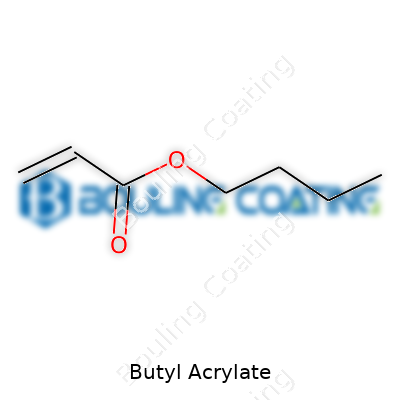
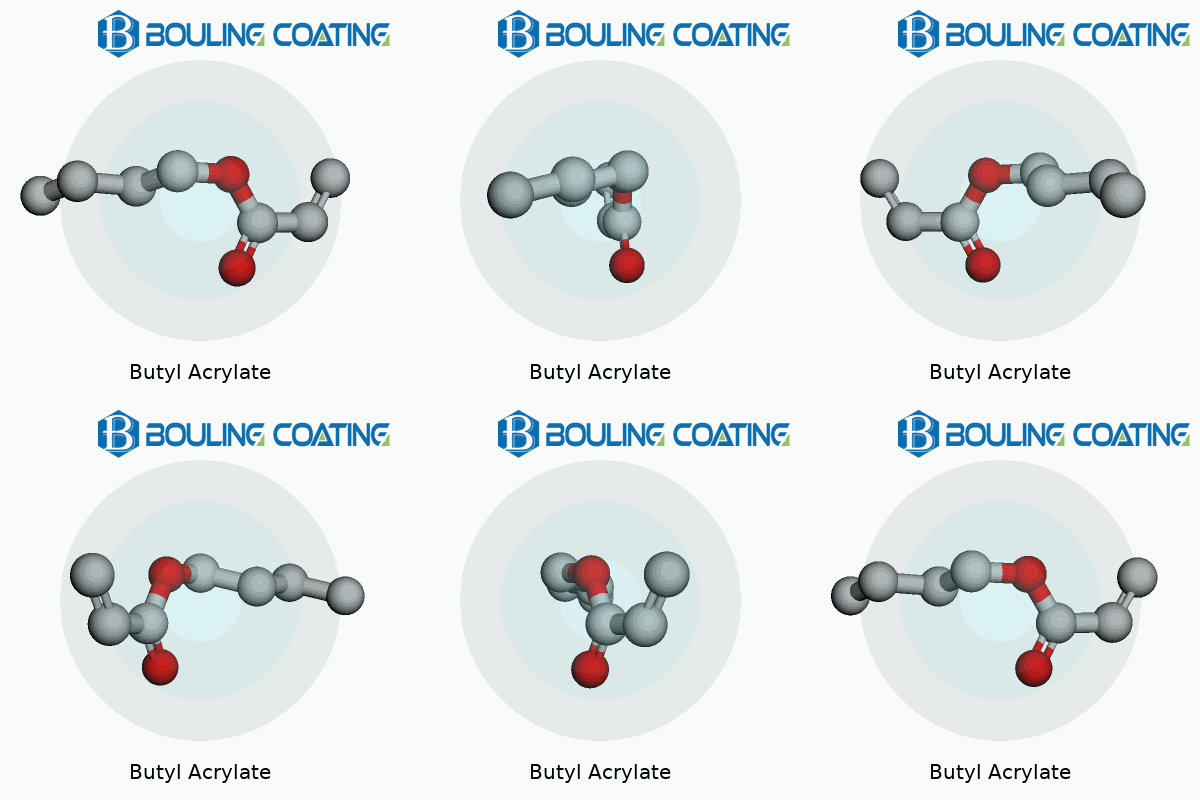
| Names | |
| Preferred IUPAC name | butyl prop-2-enoate |
| Other names |
Butyl acrylate
n-Butyl acrylate Butyl 2-propenoate Acrylic acid butyl ester Butyl prop-2-enoate 2-Propenoic acid butyl ester n-Butyl propenoate Butyl ester of acrylic acid |
| Pronunciation | /ˈbjuː.tɪl ˈæk.rɪ.leɪt/ |
| Identifiers | |
| CAS Number | 141-32-2 |
| 3D model (JSmol) | CCCCOC(=O)C=C |
| Beilstein Reference | 1745403 |
| ChEBI | CHEBI:32425 |
| ChEMBL | CHEMBL156051 |
| ChemSpider | 8514 |
| DrugBank | No DrugBank entry for Butyl Acrylate. |
| ECHA InfoCard | 100.005.425 |
| EC Number | 205-480-7 |
| KEGG | C19321 |
| MeSH | Butyl Acrylate |
| PubChem CID | 8846 |
| RTECS number | UD3150000 |
| UNII | 705Z64K4NQ |
| UN number | 2348 |
| Properties | |
| Chemical formula | C7H12O2 |
| Molar mass | 128.17 g/mol |
| Appearance | clear, colorless liquid |
| Odor | Fruity, pungent odor |
| Density | 0.89 g/cm³ |
| Solubility in water | 0.14 g/100 mL at 20°C |
| log P | 2.38 |
| Vapor pressure | 4.2 mmHg at 20°C |
| Basicity (pKb) | 19.3 |
| Magnetic susceptibility (χ) | -89.4e-6 cm^3/mol |
| Refractive index (nD) | 1.418 |
| Viscosity | 0.9 mPa·s at 20°C |
| Dipole moment | 1.8 D |
| Thermochemistry | |
| Std molar entropy (S⦵298) | 344.6 J/(mol·K) |
| Std enthalpy of formation (ΔfH⦵298) | -417.2 kJ/mol |
| Std enthalpy of combustion (ΔcH⦵298) | -4017.4 kJ/mol |
| Hazards | |
| Pictograms | GHS02, GHS07, GHS09 |
| Signal word | Danger |
| Hazard statements | H226 H302 H312 H315 H317 H319 H335 |
| Precautionary statements | P210; P233; P240; P241; P242; P243; P261; P264; P270; P271; P272; P280; P301+P312; P302+P352; P304+P340; P305+P351+P338; P312; P321; P333+P313; P362+P364; P370+P378; P403+P235; P405; P501 |
| NFPA 704 (fire diamond) | 2-3-2 |
| Flash point | 20°C |
| Autoignition temperature | 276°C (529°F) |
| Explosive limits | 1.5-9.9% |
| Lethal dose or concentration | LD50: 3,730 mg/kg (oral, rat); LD50: 2,000 mg/kg (dermal, rabbit); LC50: 4.8 mg/L (4 h, inhalation, rat) |
| LD50 (median dose) | 900 mg/kg |
| NIOSH | TWA 10 ppm (55 mg/m3) [skin] |
| PEL (Permissible) | 10 ppm (55 mg/m3) |
| REL (Recommended) | 10 ppm (55 mg/m3) [skin] |
| IDLH (Immediate danger) | 750 ppm |
| Related compounds | |
| Related compounds |
Butyl methacrylate
Ethyl acrylate Methyl acrylate 2-Ethylhexyl acrylate Acrylic acid Isobutyl acrylate tert-Butyl acrylate Propyl acrylate Methacrylic acid Vinyl acrylate |


