

Monoethylene glycol, often called MEG, has traced a path that mirrors the march of industrial progress. Early on, chemists spotted its value as a basic building block when they began searching for more efficient antifreeze options and stumbled into polymer science. Its origins stretch back to the late nineteenth century, but its global use really took off once car engines and polyester fabrics became common. Over the decades, the focus on safer manufacturing practices kept growing, with old, less efficient batch methods gradually giving way to continuous reactors that yield massive quantities with better purity and fewer environmental headaches. MEG’s story reflects a larger quest: balancing rising consumer needs with tighter environmental controls and health standards.
At first glance, MEG looks unremarkable: a colorless, syrupy liquid that slides easily from one beaker to another. But don’t be fooled by its looks. This stuff keeps jet engines from freezing at stratospheric heights and hospital IV bags soft and safe. Its signature trait—a pair of hydroxyl groups hanging off a short carbon chain—lets it play well with both water and a whole cast of organic compounds. That makes it different from simple alcohols and gives it serious clout in chemical synthesis. Its boiling point, just shy of 200°C, means it sticks around when water vanishes, so it serves in heat transfer—think radiator fluids that don’t quit on bitter winter nights.
Every drum or tank of MEG comes with a few non-negotiables. Purity matters. Anything less than 99% pure spells trouble, especially in sensitive uses like PET bottle grade polyester. Watch the water content. A spike here disrupts reaction chemistry further down the pipeline. Keep an eye on acidity, too—corrosive impurities shave years off expensive metal equipment and foul up final products. MEG is usually stamped with a UN number for international shipping, and the label warns about toxicity and flammability, although it won’t catch fire as quickly as many solvents. Handling rules are clear: this stuff isn’t gasoline, but it can cause real harm if swallowed.
MEG’s journey starts with ethylene, snatched straight from steam crackers breaking down crude oil or natural gas feedstocks. Most producers use the direct oxidation method, forcing ethylene and oxygen together over a silver catalyst to form ethylene oxide. Next, water attacks that oxide ring, and MEG drops out. Old-school methods relied on chloroethanol, but environmental fallout pushed industry to cleaner routes. Chemists tinker with temperature, pressure, and the ratios of reactants to squeeze out more MEG and less unwanted stuff like diethylene or triethylene glycol. Scrutiny is fierce—the whole process needs to minimize hazardous byproducts and capture toxic emissions before they reach the air.
MEG’s two hydroxyl groups hand chemists a pair of levers to pull in all sorts of reactions. Add terephthalic acid, and polyester forms—the foundation for soda bottles, clothing, and carpets. Toss in isocyanates, and you get polyurethane foams. It even works its way into alkyd resins for paints or into coolants that stop engines dead in their tracks from overheating. This chemical doesn’t just sit in a vat—it helps spawn the modern consumer world, its derivatives stretching into adhesives, sealants, inks, and construction materials.
MEG pops up under several names in the literature and marketplace. Some just call it ethylene glycol. Others specify 1,2-ethanediol or use technical jargon. For most of us, it’s the core of antifreeze, but its label changes as industry and audience change. Keep an ear out—it can be confusing to sort through all the terms, especially if you work in an international context or read research journals from different countries.
MEG isn’t harmless. It hits hard if ingested, damaging kidneys and the nervous system. It doesn’t give off a strong smell, so people sometimes fail to spot leaks in storage or transport. Over time, regulatory agencies like OSHA and the European Chemicals Agency have tightened training requirements and exposure limits. Large plants run leak detection gear around the clock. Workers suit up in gloves and goggles, and strict protocols guide storage and spill handling. Health and safety reviews keep improving labeling and equipment. Some countries already mandate low-toxicity dyes or bittering agents, pushing producers to design MEG that’s safer for accidental exposure—especially where it might end up near drinking water, children, or pets.
It’s hard to spend a day without brushing up against MEG’s footprint. The polyester it helps build fills closets around the planet. Soda bottles, food trays, and the soft plastic in medical tubing all trace back to MEG. It flows through radiators, runways, and HVAC cooling coils—quietly preserving machinery from winter damage. Textile mills rely on MEG-based resins to create wrinkle-resistant, colorfast clothes, while electronics plants use it as a low-volatility, dust-free coolant. Paints, inks, fertilizers, and even cosmetics share a common dependency on this versatile chemical, proving its reach well beyond factories and laboratories, shaping everyday products and infrastructure.
Researchers have their work cut out for them. A big focus in recent years: renewable MEG. Companies and universities team up, tracking ways to start with sugar or plant oil rather than petroleum. They hunt cleaner catalysts, hoping to shrink the carbon footprint and dodge volatile oil prices. Scientists keep chasing better separation techniques that use less energy, create fewer byproducts, and promise a closed-loop production cycle with near-zero waste. Analytical labs drive improvements, searching for trace impurities that cut into performance or raise safety concerns. Every tweak in process or formulation finds its way eventually into commercial plants, closing the loop between lab and market.
Most of what we know about MEG’s toxicity comes from animal tests and a grim record of accidental poisonings. Small doses don’t leave lasting harm, but enough exposure overwhelms the body, leading to kidney failure. MEG’s sweet taste makes it tempting to pets and young children who don’t know better. New data, especially as it emerges from long-term or low-dose studies, calls for more attention in policy and prevention. Researchers call for more work on chronic exposure in industrial settings, highlighting gaps that need closing to keep workers safe for decades, not just days or weeks.
MEG won’t fade from the chemical landscape soon, but pressure mounts for producers and users to think bigger. A lot rides on “greener” glycol. Plants and fungi could someday provide much of the world’s MEG, with biorefineries offering lower emissions and less waste. Regulatory bodies watch closely for breakthrough research in safer, less toxic formulations—policies shaping how companies can dispose of or recycle used coolants, bottles, and textiles. Synthetic biology and advanced catalysis ignite hope for such transitions, though technology and cost hurdles need tackling. The world’s demand for polyester and antifreeze keeps rising, but the need for safety, sustainability, and full transparency can’t get brushed aside. Focusing R&D on these complex challenges should yield progress that benefits health, climate, and everyday quality of life.
Few people outside the chemical world ever bring up monoethylene glycol at a family barbecue. Yet this clear, almost sweet-tasting liquid quietly underpins plenty of the things we use every day. The most frequent story I hear about it starts in the garage—someone topping up their car with coolant. That coolant’s backbone? Monoethylene glycol. It keeps engines from freezing in winter and boiling over in summer, cutting down on the risk of a ruined road trip or that perplexing puddle beneath your parked car.
Monoethylene glycol doesn’t ride solo as a hero under your car hood. It plays vital roles in a string of industries. The textile business keeps churning out polyester, one of the world’s most common plastics, with help from this chemical. Every time you slip on a workout shirt, there’s a good chance polyester fibers started out their life with monoethylene glycol. Electronics manufacturers count on it too—not just to keep machines cool, but also in the raw materials that end up as flat screens, circuit boards, or sleek packaging.
The world’s thirst for plastic packaging and synthetic fabric isn’t slowing. Demand for monoethylene glycol reflects global industry’s habits: if we use more plastic bottles, snack wrappers, and polyester jackets, the stuff behind it flows in greater volume. Over 30 million tons are used up globally each year. No surprise, then, that a hiccup in supply—be it a strike, a weather disaster, or trade squeeze—shakes a surprising slice of the economy.
Many would be startled to learn how often monoethylene glycol lands in familiar spaces beyond big industry. HVAC installers count on it for chilled water and heat transfer in large buildings. It flows through skating rink pipes to keep that smooth ice, well, icy. In some regions, monoethylene glycol has even found its way into deicing sprays for airport runways and airplane wings—safety relies on its power to drop freezing points during grueling winters. Doctors and pharmacists use a purer grade to prepare medicines, cosmetics, or skin creams, though these versions stick to tight standards given toxicity at higher levels.
Most of the monoethylene glycol in circulation starts life as ethylene, homing in from oil or natural gas. This anchors it directly to fossil fuels. As the world looks for greener ways to keep society running, the chemical’s dependence on hydrocarbons stands out. Shifting to biobased production, using things like sugarcane, is inching forward but hasn’t made much of a dent yet. The price tag and scale of these newer approaches struggle to match the fossil route.
Plenty of companies reuse or recycle monoethylene glycol, especially when cleaning out heat exchange systems in big plants. This helps stretch resources further, but there’s room to grow. Public pressure has prodded industry to rethink both its use and disposal of the chemical, since spills and leaks pose risks to water sources and the environment.
Monoethylene glycol’s reach stays mostly out of public view, packed into fiber, plastic, or coolant tanks. With talk about cleaner energy and cutting waste ramping up, knowing what keeps our engines cool and clothes lightweight takes on extra weight. Paying attention to what goes into things around us is a start toward real choices for a more sustainable system—whether that’s greener ways to make these chemicals, or smarter ways to use and recycle them.
Monoethylene glycol usually crops up in discussions about antifreeze or coolants for vehicles, but it also sneaks into many factory settings, workshops, and even some household products. What sometimes gets lost in these conversations is how easily this clear, sweet-tasting liquid can cause harm. Getting lax about safety means taking your own health—and the safety of everyone around you—lighter than you should.
Most folks wouldn’t suspect that monoethylene glycol, a staple in industrial and automotive circles, can threaten more than just the occasional spill. Accidental ingestion leads to serious poisoning. Inhalation causes throat and lung irritation. Getting it on your skin isn’t good, either—rashes and burns crop up faster than you’d expect. Medical data from poison control centers highlight thousands of calls every year, often involving children or untrained staff. That’s a number worth remembering if you think a little drip is harmless.
Anyone handling this chemical should start by covering their skin thoroughly—no excuses. Standard long sleeves and gloves block most routes of entry. Face shields and goggles cut down the risk of splashes to the eyes, which are much more serious than minor discomfort on your hands. A friend of mine ended up in the emergency room when a bit of residue got him in the eye. He thought soap and water would fix the sting—it didn’t.
It’s not just about personal gear, either. The air around a workspace matters more than people realize. Sloppy ventilation means people breathe in more of the vapors, especially in small spaces. Local exhaust systems or even a portable fan near the workbench can do the job. Frequent monitoring of air quality isn’t just a checkbox for compliance—it keeps everyone aware. In industrial settings, routine training keeps people sharper. I’ve seen crews go from careless to careful after one hands-on safety workshop that put the risks front and center.
Leaving drums or bottles unsupervised tempts fate. Locking up containers and labeling every bottle—big or small—stops mix-ups that might lead to accidental ingestion. There’s a reason poisonings cluster in places where folks decant chemicals into soda bottles or leave containers open.
Clean-up routines make as much difference as anything. Catch spills early with dedicated absorbent materials, not a rag from your pocket. Proper disposal matters, too. Pouring leftovers down the drain creates a public health hazard and trashes the local water supply. Rules exist for a reason, and every safety manager who’s seen contaminated groundwater can confirm that this isn’t a minor concern.
Fundamentally, there’s no shortcut. Safety means showing up every day with respect for what you’re handling. From hospitals to home garages, people protect themselves and others by staying alert and informed. Regular drills, visible instructions, and group accountability change the game. Experience proves it: workers who feel confident in their protocols make mistakes much less often.
If you’re responsible for a space stocked with monoethylene glycol, start with simple, visible steps: protective clothing, locked cabinets, clean air, fast clean-up, and clear communication. These basics build habits that block mishaps before they start—and everyone stays healthier for it.
Monoethylene glycol keeps many cars running smoothly. It’s found in the antifreeze that protects engines from extreme temperatures. I remember the sharp, sweet smell from my father’s garage on winter days, but I also remember strict warnings not to touch or taste it. This stuff can look harmless, but its risks run deeper.
Monoethylene glycol can cause real harm if swallowed. The human body turns it into chemicals that attack the kidneys, heart, and nervous system. Just a few tablespoons can send a grown adult to the hospital, and far less can turn deadly for a child or pet. The CDC reports that each year in the United States, several thousand accidental poisonings happen because antifreeze is within easy reach or not stored in closed containers. This isn’t a rare case of something that only experts worry about — it’s a risk present under many kitchen sinks and in household garages.
Industries use monoethylene glycol to manufacture polyester fibers and plastics, not just engine coolants. Workers handling bulk amounts rely on strong rules for ventilation and personal protective equipment, because inhaling or spilling the liquid onto skin can cause medical problems over time. The World Health Organization and OSHA have both set strict exposure limits because frequent contact can irritate the skin, damage the liver, and cause headaches or dizziness.
Pets can die from drinking a few drops of spilled antifreeze in a driveway. Veterinarians say that most animals won’t sense the danger because of the chemical’s sweet taste. Once swallowed, the clock starts ticking — emergency treatment within hours can save a life, but waiting too long nearly always leads to tragedy. Growing up, I heard stories of neighbors losing a dog or cat this way, stories that still remind me to seal containers tightly and wipe up any drips right away.
People often assume products sold in stores can’t do real harm. Monoethylene glycol underlines how false this can be. Kids exploring garages may spot a lukewarm mug and take a sip, with disaster following. Even something as simple as repurposing a water bottle for chemicals can fool adults and lead to accidental ingestion.
Municipalities and advocacy groups work to reduce risks. Many communities urge stores to stock antifreeze with added bittering agents — ingredients that taste awful and discourage drinking. Research shows these additives cut poisoning cases wherever they’re used. Labels are clearer now than in the past, with stern warnings about fatal mistakes, but language on a bottle doesn’t help if the container is left open and unguarded.
Nobody solves this problem by blaming consumers. Manufacturers, retailers, and families each bear responsibility. Keeping dangerous liquids in original, tightly sealed containers helps. Education, through schools and local campaigns, prepares children and adults to treat household chemicals with care. Regular garage clean-outs make surprises less likely.
I see antifreeze and monoethylene glycol as reminders that we live every day with substances built for modern life, but never designed for children, pets, or an unprepared neighbor’s hands. Respecting that risk keeps everyone safer.
The industrial world is thirsty for Monoethylene Glycol. Everywhere you look, this clear, syrupy liquid finds a purpose. Polyester fibers can’t happen without it. Walk through a store and run your fingers over clothing, curtains, blankets—chances are, you’re touching something with origins in Monoethylene Glycol. The value goes deeper than convenience. For the textile industry, MEG delivers dependable performance while satisfying a global desire for low-cost, durable fabric.
Seeing polyester’s footprint in clothing and home goods, it’s easy to assume that’s the whole story. Dig a little deeper, and you’ll see beverage bottles joining the list. Polyethylene terephthalate (PET) bottles stand as a testament to chemical engineering: lightweight, robust, and transparent. MEG’s role makes all of this possible. It provides the building blocks, fusing flexibility with strength, keeping drinks fresh and making logistics for global brands easier.
Quality often hides in places we forget to look. Monoethylene Glycol moves past textiles and into engine coolant. Step into a garage, pop the hood of any car, and the cooling system leans on MEG-based antifreeze. This isn’t about comfort; it’s about protection. MEG prevents freezing in cold climates, guards against overheating during torrid summers, and resists corrosion in engine components. Truck fleets, family sedans, long-haul buses: all depend on regular doses to keep costs down and engines running smooth.
Industrial-scale chilling needs MEG just as much as cars do. Food manufacturing plants, beverage bottling lines, even ice rinks draw on this compound. Refrigeration takes more than cold air—it takes liquid that can take a beating, keep flowing, and let systems run without fail. The combination of freezing point depression and chemical stability just can’t be matched as easily with alternatives.
MEG stretches its reach into construction through unsaturated polyester resins. These resins shape bathtubs, shower stalls, and structural fiberglass. Walk through any modern airport and you witness high-strength, lightweight designs brought to life with materials that rely on it. Boats ride the waves thanks to fiberglass hulls blended with polyester resins, made stable by the compound that started the process.
It even pushes into the production of solvents and deicing fluids. Airports in cold regions rely on MEG-based fluids to keep planes safe on icy runways. If you’ve ever been delayed as crews spray down your wings before takeoff, you’re seeing Monoethylene Glycol in action, keeping travel safe for millions of people during harsh winters.
Monoethylene Glycol remains essential, but its popularity comes with consequences. In my time working with chemical suppliers, safety and environmental oversight sat front and center. Spills threaten water sources, and toxicity to pets or wildlife is real. The industry faces pressure to improve handling, recovery, and disposal. Looking to renewable raw materials or closed-loop manufacturing may offer relief down the road, but nobody pretends change happens overnight.
Trust builds when companies open the books on safety data and invest in safer alternatives. Skilled workers keep close watch on quality, while regulators help keep shortcuts in check. The push for greener chemistry is growing, and MEG producers will need to keep pace.
Monoethylene Glycol won’t be leaving the stage soon. Its presence in fibers, plastics, coolants, and resins keeps the modern world spinning. Holding this position means bearing responsibility—for safety, for the planet, and for the people at the end of the supply chain.
Monoethylene glycol, or MEG, serves as a valuable chemical for everything from coolants to polyester. It’s clear and sweet-smelling, but it’s nothing to take lightly. Many of us associate tanks of chemicals with science fiction danger scenes, but in reality, MEG’s risks grow mostly from neglect and shortcuts.
Walk around a facility where drums of MEG stand under a tin roof in a hot climate, and you’ll see how real problems start. MEG loves water. Leave it uncapped or in leaky tanks, and vapor or rain sneaks in. Pretty soon, you’re not dealing with pure MEG anymore, and your process downstream gets a headache. Moisture also fosters rust in mild steel containers, which leads straight to contamination, unexpected waste, and heavy costs.
Factories that don’t treat MEG as sensitive to temperature invite trouble. The chemical thickens in the cold and emits hazardous fumes when heated close to its boiling point. Most guides suggest storing MEG in closed, ventilated tanks—preferably stainless steel or high-grade plastic—to stay ahead of the game. Even with the right container, let the thermometer swing too far, and you’ll see blocked pipelines, weakened additives, or increased fire risk. It’s a challenging balancing act, not just a box to tick off for compliance.
Real stories bring the lesson home. Somewhere in Texas, a careless MEG transfer leaked into a water source because workers trusted an aging, uninspected pipe. The environmental clean-up that followed ran into millions of dollars—and nobody involved will ever call storage of a “low-toxicity” chemical a routine job again.
Putting MEG on the road or rail means betting on proper handling every mile. A driver stuck with a poorly cleaned tanker from its last load of, say, diesel, puts an entire batch at risk for contamination. Cross-contamination can knock out whole product lines, trigger recalls, and erode consumer trust. And if a spill happens in transit, the sweet smell of MEG quickly turns into a major environmental and safety hazard for communities and wildlife.
Regulators stepped up after a series of spills in busy logistics zones. Many regions now require detailed labeling, specialized containers, and maintenance checks before a tanker ever leaves the yard. Inexperienced contractors tend to overlook these steps, letting oil residue or improper seals become a crisis that savvy operators know to avoid.
No set of rules replaces a culture where everyone from junior staff to top management understands how MEG fits into both production and safety. The best-run operations implement thorough training, regular drills, and clear checklists for anyone touching MEG or its containers. This focus saves money, protects people, guards the environment, and ensures product integrity.
Industry veterans see the same lesson repeat: no matter how basic it seems, you cut corners with MEG at great cost. Clean, dry, well-sealed tanks; tight controls on temperature; careful, trained transport—these are practical, time-tested steps that separate safe operators from those who end up in the news for all the wrong reasons.
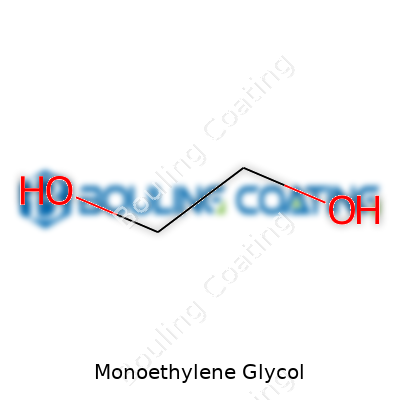
| Names | |
| Preferred IUPAC name | ethane-1,2-diol |
| Other names |
MEG
Ethylene glycol 1,2-Ethanediol Ethane-1,2-diol Glycol Ethylene alcohol |
| Pronunciation | /ˌmɒnəʊˈɛθɪliːn ˈɡlaɪkɒl/ |
| Identifiers | |
| CAS Number | 107-21-1 |
| 3D model (JSmol) | OCCO |
| Beilstein Reference | 505945 |
| ChEBI | CHEBI:30742 |
| ChEMBL | CHEMBL457 |
| ChemSpider | 13835235 |
| DrugBank | DB02621 |
| ECHA InfoCard | 100.000.259 |
| EC Number | 203-473-3 |
| Gmelin Reference | No Gmelin Reference |
| KEGG | C01380 |
| MeSH | Ethylene Glycol |
| PubChem CID | 174 |
| RTECS number | KW2975000 |
| UNII | 24XL5J0L1S |
| UN number | UN 3082 |
| Properties | |
| Chemical formula | C2H6O2 |
| Molar mass | 62.07 g/mol |
| Appearance | Clear, colorless, viscous liquid |
| Odor | Mild, sweet odor |
| Density | 1.113 g/cm³ at 20°C |
| Solubility in water | Miscible |
| log P | -1.36 |
| Vapor pressure | 0.08 mmHg at 20°C |
| Acidity (pKa) | 14.2 |
| Basicity (pKb) | 15.1 |
| Magnetic susceptibility (χ) | -38.7e-6 cm^3/mol |
| Refractive index (nD) | 1.4318 |
| Viscosity | 21 cP |
| Dipole moment | 2.28 D |
| Thermochemistry | |
| Std molar entropy (S⦵298) | 166.9 J K−1 mol−1 |
| Std enthalpy of formation (ΔfH⦵298) | -460.0 kJ/mol |
| Std enthalpy of combustion (ΔcH⦵298) | ΔcH⦵298 = -1184.4 kJ/mol |
| Pharmacology | |
| ATC code | No ATC code |
| Hazards | |
| Main hazards | Harmful if swallowed. May cause damage to kidneys through prolonged or repeated exposure. |
| GHS labelling | GHS07, GHS08; Signal Word: Warning; H302, H373; P260, P264, P270, P301+P312+P330, P314, P501 |
| Pictograms | GHS07 GHS08 |
| Signal word | Warning |
| Hazard statements | H302 H373 |
| Precautionary statements | P260, P264, P270, P301+P312, P314, P330, P501 |
| NFPA 704 (fire diamond) | 1-1-0 |
| Flash point | 111 °C |
| Autoignition temperature | 398 °C |
| Explosive limits | 3.2% - 15.3% |
| Lethal dose or concentration | LD50 oral rat: 4700 mg/kg |
| LD50 (median dose) | 4700 mg/kg |
| PEL (Permissible) | 50 ppm |
| REL (Recommended) | TWA 50 ppm (125 mg/m3) [skin] |
| IDLH (Immediate danger) | 100 ppm |
| Related compounds | |
| Related compounds |
Ethylene oxide
Diethylene glycol Triethylene glycol Propylene glycol Ethanol |


