

Toluene didn’t pop up overnight. The earliest record of toluene stretches back to the 1800s, when chemists figured out how to distill it from pine resin and the bark of the tolu tree—hence its original name, “toluol.” Later, the industry learned how to pull it out when refining crude oil. This wasn’t just an academic exercise. By World War I, toluene had already shown up as a key feedstock for explosives like TNT. For decades, it kept gaining ground, moving from laboratories and munitions factories into products that fill out daily life. Today, walk into a hardware store and scan the paint thinners, adhesives, or nail polish removers—chances are, toluene makes an appearance. Industries didn’t just stick with its old uses, either. As materials got more advanced, so did toluene’s own role, slipping into gasoline blending, pharmaceuticals, and the production of modern polymers.
Crack open a bottle and the sharp, sweet aroma of toluene is hard to forget. Clear and colorless, toluene flows out like water but evaporates quickly because of its volatility. At room temperature, it’s a liquid, but it packs a punch: the fumes rise fast. Toluene boils just above 110°C, which means open containers don’t stay full for long. Its chemical backbone sports a benzene ring—six carbons in a neat circle—capped with a single methyl group. That one little side chain sets it apart from benzene, lowering its toxicity (though not by much). It doesn’t mix with water, breaking out and floating away from most spills, but it dissolves organic materials and oils with ease. This makes it indispensable where rapid, thorough cleaning of greases or resins is needed.
In the market, purity counts. Most commercial toluene comes with purity above 99 percent. Contaminants like benzene or xylene can show up, so manufacturers often follow strict specs, looking at boiling point, density, refractive index, and more. Proper labeling isn’t just red tape—workers and consumers depend on knowing what’s in the can or drum. Without these benchmarks, both safety and product performance could get shaky in a hurry. Industry standards, updated over the years, cover everything from acceptable impurities to required hazard symbols. Getting these details right helps prevent workplace accidents and accidental exposure while ensuring that toluene-based products actually do the job.
Industry unlocks toluene mainly through petrochemical routes. Catalytic reforming, where crude oil fractions get treated to rearrange and knock off atoms, brings toluene out alongside benzene and xylene. There’s also the steam cracking of naphtha, which yields toluene and other aromatics in massive volume. Coal tar distillation also offers another route, though it’s less common today than in the era of coal-fired industry. These methods keep the world supplied, but they also leave a heavy footprint. Flares from reforming units light up refinery skylines, reminding us that this isn’t a clean magic trick. There’s ongoing effort in labs to develop greener production, but on the industrial scale, fossil hydrocarbons still form toluene’s main source.
Chemists love toluene for its reactivity. That methyl side group isn’t just decoration—it makes the benzene ring more willing to join in reactions. Nitration, for example, turns toluene into trinitrotoluene (TNT), which shaped history in more ways than anyone could've predicted. Chlorination brings out benzyl chloride, while oxidation leads to benzoic acid—key building blocks for countless modern chemicals. These transformations support not just the chemical industry as it exists, but also the search for new materials, drugs, and plastics. In research, modulating the reactivity of toluene rings opens pathways to tailor-made molecules.
Call it methylbenzene, phenylmethane, or by its old-school name, toluol. These names crop up in regulatory documents, research papers, and import-export manifestos. The reason? Chemists and regulators need to speak the same language, especially since synonyms grew out of regional and historical quirks. International shipping and health guidelines hinge on matching these synonyms precisely, cutting down on mistakes and confusion.
People can’t afford to take short cuts with toluene. Its fumes can reach hazardous levels fast, especially indoors or in confined spaces. The sweet smell might not warn of the danger, even as exposure climbs. Long-term, high-intensity exposure has links to central nervous system damage and developmental issues. Proper gear—gloves, respirators, and good air flow—serves as a front-line defense in workshops and plants. Regulations spell out limits for workplace exposure, and most factory workers learn the rules long before the first day on the job. Safe storage keeps toluene away from heat and sparks, limiting the risk of fire or explosion. It’s not just about checking boxes—getting these protocols right keeps people from getting sick or worse.
The biggest chunk of toluene heads for gasoline blending, boosting octane numbers and keeping engines from knocking. The auto and fuel industries rely on it to keep up modern performance standards. In paints, lacquers, adhesives, and rubber, toluene acts as a solvent, thinning mixtures so they roll or spray smoothly, then vanishing as the product dries. Pharmaceuticals draw on toluene both in synthesis and as a process solvent. Some of the world’s bestselling drugs wouldn’t exist without those chemical building blocks traced back to this simple molecule. Even art conservators use toluene to clean paintings. Its presence surrounds daily living more than most realize, from coatings and inks to leather tanning and cleaning electronics.
Research doesn’t stand still. In recent years, new techniques for monitoring toluene in air, soil, and water tightened up controls on environmental releases. Toluene serves as a model compound for studying how solvents behave in biological and ecological systems. Chemists hunt for alternatives in paints and fuels, but toluene’s easy availability and effectiveness slow the shift. Research also digs into ways of breaking down toluene safely once it escapes into the environment, using engineered bacteria or new oxidation methods. These approaches matter most near industrial sites or spill zones, where groundwater can carry toluene far beyond its source.
Science knows toluene isn’t harmless. Studies show that high-level exposure hits the brain first, causing symptoms from headaches and confusion to memory loss and, at high doses, unconsciousness. Inhaling fumes over time can affect the liver, kidneys, and developing fetuses. Decades of research track the way toluene travels, collects, and affects living systems. Animal studies give clues, but epidemiological data track worker health over decades, tightening the standards for exposure bit by bit. Kids exposed in utero, often due to solvent abuse or accidents, suffer the most lasting damage. These facts drive calls for stronger safeguards and push industries to build cleaner, safer workplaces.
As regulations get tougher on emissions, the push grows for alternatives in paints, fuels, and cleaning fluids. New water-based paints and adhesive formulas promise fewer health risks, though matching the performance of old-school toluene-based products remains a big technical hurdle. In labs, research keeps searching for molecules that work as well without the hazards, from “green” solvents to bio-based aromatics. Toluene itself won’t disappear any time soon—too many industrial processes still rely on its unique mix of volatility, solvency, and reactivity. Cleaner production routes, better recycling, and tightly controlled use can help limit harm while industry and science look for long-term replacements. The challenge: meet society’s demand for high-performance chemicals and fuels, without returning to the wild-west days of careless handling or unchecked dumping. It’s a balancing act that keeps evolving, and the stakes include both public health and the integrity of entire supply chains.
Anyone who’s spent time with paint thinner, glue, or even certain nail polish removers has probably met toluene up close. The smell lingers for a reason—it’s all over the place, seeping out from both household projects and giant industrial plants. It’s everywhere, but few outside chemistry class talk about what this chemical actually does or why it bothers public health experts so much.
Around construction sites and auto shops, workers pour gallons of solvents without thinking twice. Toluene plays a quiet role here, boosting the performance of products like paints and adhesives. It helps paints dry smooth, keeping them from clumping and making sure the colors spread out evenly. Some artists rely on it, and so do car repair shops cleaning engine parts. In leather tanneries, toluene’s powerful dissolving skills get used to treat hides, removing fats and making dyes sink deeper.
Factories that make chemicals bank on its properties. It steps in as both a building block and a middleman: toluene gets turned into ingredients for things like explosives, foams, and, believe it or not, even medicine. To outsiders, it doesn’t look glamorous, yet toluene’s ability to dissolve, mix, and morph into other stuff fuels whole industries.
It’s easy to miss the quiet exposure happening at home. Bottles of paint thinner, spot removers, and sometimes even rubber cement in art classes carry some degree of toluene. Tossed out cans, leaky brushes, and old rags spread its vapor throughout garages and sheds. Home renovators who go without masks are taking in little hits, usually without knowing much about the risks.
Here’s where things get tricky. Evidence links regular toluene exposure to headaches, fatigue, and memory trouble. Anyone working in a spot with poor air flow stands a higher chance of negative effects. Pregnant women and kids are especially vulnerable. Scientists see connections between repeated exposure over time and issues like developmental delays. The risks aren’t always obvious up front, which makes the stuff extra sneaky.
Environmental headaches add to the problem. Runoff and accidental leaks sneak toluene into rivers, sneaking trouble into drinking water and damaging ecosystems. Wildlife doesn’t get a vote, but they feel the effects all the same.
A lot can be done with good ventilation and protective equipment. Workers who wear gloves and heavy-duty masks avoid much of the trouble. Instead of using old methods, shops and homeowners can choose lower-toxin alternatives. There are paints, degreasers, and glues out now that trade performance for peace of mind. Some places set limits on indoor levels, but these rules only help when people know and follow them.
Better public education matters, too. School instructors, craft lovers, and DIY fans stay safer with simple safety routines. People do best when they know what they’re dealing with—clear warnings and instructions replace jargon and mystery. Manufacturers need to share risks without hiding behind tiny print.
Toluene isn’t going away soon. From mechanic shops to art studios, people need to recognize its double-edged nature. Using safer substitutes, wearing proper gear, and keeping areas ventilated are real answers. As with most chemicals, understanding the risks and using a bit of caution makes a world of difference.
Toluene’s scent always reminded me of a freshly opened can of paint. Back in college, I worked part-time at a hardware store, restocking shelves loaded with solvents and industrial cleaners. Toluene was part of the landscape—used in paint thinners, adhesives, and sometimes even the old-school correction fluids. Most folks never gave it much thought, but people who spend time indoors with those fumes pick up on how quickly a headache or dizziness can sneak up.
Science backs up what a sensitive nose already knows. Toluene vapor can irritate eyes, nose, and throat. Prolonged inhalation may trigger memory loss, hearing problems, and trouble with concentration. In high concentrations or with long-term exposure, the risk gets more serious—some evidence ties repeated contact to damage in kidneys or liver. Even the smoothest hands get rough after too much skin contact. Pregnant women face even higher stakes, with exposure possibly affecting fetal development. It anchors into the body’s system faster than most realize.
Many assume they need to set foot in factories or chemistry labs to come near it, but toluene shows up everywhere: nail salons, home renovation spaces, art studios, and garages. The familiar smell inside a freshly painted or newly carpeted room often means toluene is floating in the air. In poorly ventilated spaces, concentration can build up quietly.
Over the years, I’ve seen painters work in closed rooms because they feared dust ruining their finish. Without a single window cracked open, everyone inside got groggy and sluggish by afternoon. People only recognized the danger after someone fainted or got sick at the worksite. Public health agencies call out the risk for good reason.
Many solvents share dangerous reputations, but toluene’s widespread use turns it into a real concern. Even outside the workplace, breathing in too much can cause nausea and confusion. The invisible nature of vapor lures folks into underestimating the potential for harm until symptoms creep up. Children and pets are especially vulnerable, with their smaller bodies unable to process fumes as quickly.
Banning every chemical from daily living just isn’t possible, but smarter choices and practical habits help limit risk. Simply opening windows, wearing gloves and masks on big home projects, and storing cans tightly sealed cuts down on exposure dramatically. Labels tell part of the story, though most people still disregard “use only in well-ventilated areas.” My own neighborhood hardware store started handing out simple factsheets—customers asked more questions and made safer decisions once they understood why that warning matters.
Safer alternatives do exist for people willing to search a little. Water-based paints and glues are easier on the system and work just as well for most jobs. Local governments can help by offering regular pick-up days for old solvents and better guidelines for handling chemicals at home. More consistent ventilation standards at worksites could prevent a host of unnecessary injuries. Stronger rules only go so far without public buy-in, but education gives people enough knowledge to protect themselves and their families.
People don’t think twice about solvents until something goes wrong. Toluene shows up in labs, painting projects, and even garages, yet most folks barely give it more than a passing glance. The trouble is, a little carelessness with this liquid can mean headaches—literal and figurative. It evaporates fast, gives off fumes that dizzy your head, and ignites with a spark. I've seen workplaces go sour simply because someone left a canister untightened, fumes filling the room, workers stepping out, tools idle on benches.
Toluene needs its own shelter, away from anything that burns. Fire and solvent together make a terrible match. Storing it next to paint-thinner or gasoline bottles, as happens too often, lights a fuse no one wants burning. A steel safety cabinet, with clear labels and an unblocked path to a door—these steps sound basic, but too often corners get cut. Many labs now keep toluene bottles in flammable storage cabinets because fire marshals have seen, all too often, what happens when folks play it loose. OSHA points out that even small spills in a closed space create dangers for everyone in that building.
I've walked into sweltering sheds to find chemical drums baking in sunlight. Toluene inside heats up: pressure builds and vapors sneak out, sometimes deforming cans or worse. Simple shade and ventilation save a world of trouble. I once watched a colleague rig a fan to keep air moving, and a simple exhaust system in a chemical closet kept alarms silent and workers safe for years.
Gloves and goggles aren’t for show; I’ve watched an old-timer splash solvent on his hands, brushing it off, later muttering about headaches. The medical consensus matches up: toluene vapor damages nerves over time and skin absorbs more than most people realize. A few dollars spent on protective gear—nitrile gloves, splash-proof goggles—protects health more than any after-the-fact medicine.
Accidents show up where attention sags. Toluene smells sweet, masks other leaks, and floats into the air. People working with it need spill kits ready and clear instructions what to do if things go wrong. It helps to drill the steps, rather than guessing during a real emergency. Fire extinguishers—rated for chemical flames—not water buckets, must sit in plain sight. Training saves jobs and lives, far more than just having a dusty old binder of safety rules.
The facts remain stubborn: toluene causes harm if handled carelessly. The positive flipside is that solutions live in practical routines. Separate flammable storage, regular checks, basic protective equipment, and clear plans for emergencies make the difference between a safe day and real regret. Real experience—confirmed by science—shows that a few smart habits save far more hassle, health problems, and costly mistakes than most people expect. Seeing toluene for what it is—a useful tool, not a harmless liquid—sets the stage for better days at work and at home.
Toluene shows up in places most people never think about. It’s in paint thinners, adhesives, and plenty of industrial cleaners. If you’ve ever watched someone refinish a piece of furniture or worked in an auto body shop, you’ve probably caught that distinctive sweet smell. It cuts through grease and helps products dry evenly. The problem begins when people forget to respect what they’re working with.
I’ve seen co-workers scoff at basic safety rules, shrugging off the dangers of inhaling fumes or letting the liquid splash on their skin. A few minutes without protection, and it may seem like nothing happened. Stick around long enough, and things add up fast. Short bouts with toluene might only bring a headache, dizziness, or irritated eyes. Too much exposure goes much further. There are stories of damage to the liver and kidneys, and some people wind up struggling with memory loss for years.
There’s also the risk of fire. Toluene vapor ignites easier than old gasoline. I watched a supervisor nearly start a fire by leaving an open can on a workbench under a lamp. The surprise on his face said it all. That lesson doesn’t leave your mind. Respecting how this chemical behaves—respecting the real-world risks—keeps accidents from becoming headlines.
The quickest way to limit trouble starts long before opening a can. Good training drives home where toluene belongs and what it never mixes with. Ventilation isn’t just another line in the manual. On a hot day, inside a narrow garage, I learned this firsthand as my eyes started to burn. Cracking a window or using a good exhaust fan makes the work safer by keeping air moving. That sweet smell isn’t as harmless as it seems.
Personal protective gear prevents more than people realize. Goggles keep splashes away from your eyes, and gloves give your skin a fighting chance. The right gloves matter—old canvas doesn’t help. Neoprene or nitrile protects better than cheap, thin latex. I’ve known people who thought a dust mask did the trick, but only a proper respirator with the right cartridges really keeps fumes out of your lungs.
Labeling and tight storage stays a simple fix for bigger headaches. Sealing containers when not in use keeps vapor from filling a workplace, and it stops spills before they happen. It’s easy to let things slide, but tools and chemicals left out can make all the difference in a bad way when someone isn’t paying attention. Taking five minutes to tidy up beats an emergency room visit every time.
Real progress comes from putting people first. Companies commit to constant training, routine audits, and open conversations about close calls. Industry-wide, stronger rules back up smarter daily habits. Toluene isn’t going anywhere, but people with the right information and respect for the job do a better job protecting themselves and everyone around them. Nothing replaces a crew looking out for each other, learning from old stories, and never giving routine shortcuts the benefit of the doubt.
People who work with paints or refinish furniture probably have a sense that strong-smelling liquids get the toughest cleaning jobs done. Toluene sits close to the top of this category. Its quick evaporation and ability to dissolve stubborn substances made toluene a mainstay in paint thinners and similar solvents. Yet, not everyone who picks up a can understands what’s inside.
Painters and industrial workers gravitate to toluene for one simple reason: it cuts through oil-based paints, resins, adhesives, even grease, quickly. It does more than break down sticky substances—the stuff evaporates before it leaves much residue behind. Sometimes I’ve watched people use mineral spirits or naphtha, and they spend more time scrubbing than painting. Toluene, though, loosens dried paint and sticky spots fast. It’s the go-to whenever plain soap turns useless.
Toluene doesn’t just show up in workshop cans. Manufacturers use it in ink, leather processing, and certain glues. There’s a reason its fingerprints sit on so many “solvent” labels. Its efficiency cuts work short, which, from an economic standpoint, brought manufacturers on board. But this isn’t the full story.
People think what works in the shop will work just as well at home, as long as the windows stay open. That’s not always the case. Even short exposure to toluene vapors can lead to dizziness or headaches. Breathing it for longer spans raises risks of memory issues and nerve damage. The U.S. Environmental Protection Agency has flagged toluene as a toxic chemical; the risks aren’t just theoretical.
I’ve walked into rooms where a bit of toluene splashed onto a rag smells up the whole house. Without proper masks and open airflow, users risk harming their health. Home painters, in particular, often ignore gloves, thinking they’ll only handle the liquid for “a quick clean-up.” Skin absorbs toluene, and the risk piles up with repeated contact. On top of that, it flammable. Fires become a real concern in small, poorly ventilated rooms.
Environmentally, toluene can leak into water or soils after careless disposal, sticking around for years. It isn’t just a problem for fish and wildlife. Private wells sometimes show traces of toluene, especially near factories or in urban runoff. Regulatory organizations have set clear guidelines about safe handling, but hobbyists don’t always check before pouring leftover thinner down the drain.
Paint technology isn’t stuck in the past. Water-based paints and less toxic thinners outperform old formulas for many jobs. Citrus-based and low-VOC thinners are earning their place in hardware aisles. While they may not cut through as fast as toluene, the tradeoff is a safer breathing space and less risk if kids or pets get too curious.
For the few paint applications where nothing but a powerhouse solvent gets the job done, protective equipment should become habit, not an afterthought. Gloves, masks, and outdoor workspaces matter. Communities also need more drop-off programs for leftover chemicals, so unwanted thinners don’t end up leaking into ecosystems.
Toluene will keep showing up for some jobs, especially in heavy industry. Anyone who uses it should understand the risks and take steps to limit exposure. Safer alternatives give DIY folks and professionals a chance to work without so many trade-offs.
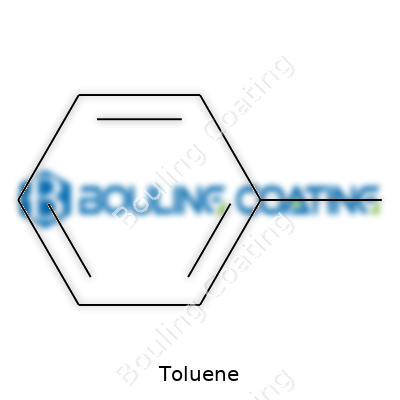
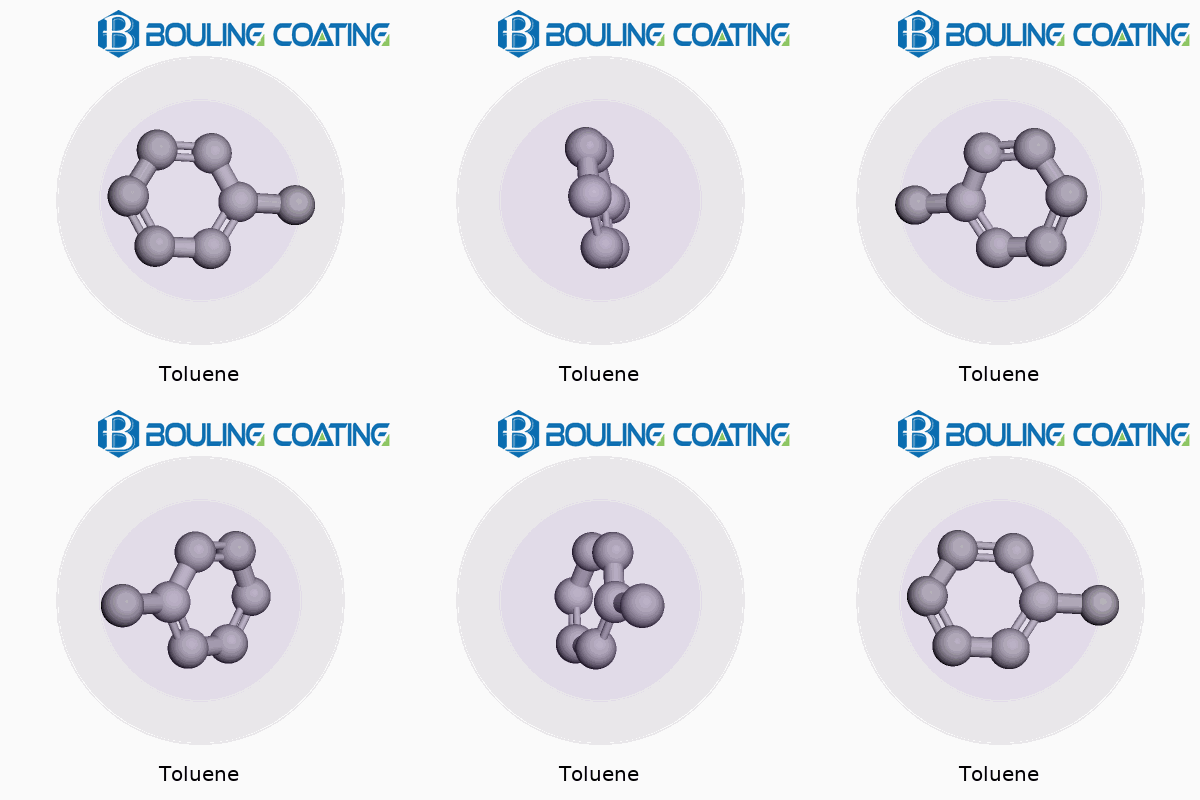
| Names | |
| Preferred IUPAC name | toluene |
| Other names |
Toluol
methylbenzene phenylmethane methyl benzol tolu-sol antisal 1a methacide |
| Pronunciation | /ˈtɒl.ju.iːn/ |
| Identifiers | |
| CAS Number | 108-88-3 |
| 3D model (JSmol) | Cc1ccccc1 |
| Beilstein Reference | 1094 |
| ChEBI | CHEBI:17578 |
| ChEMBL | CHEMBL911 |
| ChemSpider | 1108 |
| DrugBank | DB01958 |
| ECHA InfoCard | 100.003.297 |
| EC Number | 203-625-9 |
| Gmelin Reference | 497 |
| KEGG | C01455 |
| MeSH | D014050 |
| PubChem CID | 1140 |
| RTECS number | XS5250000 |
| UNII | 3FPU23BG52 |
| UN number | 1294 |
| Properties | |
| Chemical formula | C7H8 |
| Molar mass | 92.14 g/mol |
| Appearance | Clear, colorless liquid with a characteristic aromatic odor. |
| Odor | sweet, pungent, benzene-like |
| Density | 0.867 g/mL |
| Solubility in water | Insoluble in water |
| log P | 2.73 |
| Vapor pressure | 28.4 mmHg at 25°C |
| Acidity (pKa) | 43 |
| Basicity (pKb) | 31.1 |
| Magnetic susceptibility (χ) | -66.2 x 10^-6 cm^3/mol |
| Refractive index (nD) | 1.4961 |
| Viscosity | 0.590 cP |
| Dipole moment | 0.36 D |
| Thermochemistry | |
| Std molar entropy (S⦵298) | 220.96 J mol⁻¹ K⁻¹ |
| Std enthalpy of formation (ΔfH⦵298) | 12.4 kJ/mol |
| Std enthalpy of combustion (ΔcH⦵298) | -3910.3 kJ/mol |
| Pharmacology | |
| ATC code | No ATC code |
| Hazards | |
| GHS labelling | GHS: Danger; H225; H304; H315; H336; H361; H373; P210; P280; P301+P310; P303+P361+P353; P331; P405; P501; GHS02; GHS07; GHS08 |
| Pictograms | GHS02, GHS07, GHS08 |
| Signal word | Danger |
| Hazard statements | H225 H304 H315 H336 H361d H373 |
| Precautionary statements | P210 P260 P280 P301+P310+P331 P303+P361+P353 P304+P340+P311 P305+P351+P338 P403+P233 P405 P501 |
| NFPA 704 (fire diamond) | 2-3-0 |
| Flash point | 4.4 °C (closed cup) |
| Autoignition temperature | 480°C (896°F) |
| Explosive limits | 1.1% to 7.1% |
| Lethal dose or concentration | LD50: 5.5 g/kg (oral, rat); LC50: 49 mg/L (4 h, rat) |
| LD50 (median dose) | 636 mg/kg |
| NIOSH | TWA: 100 ppm (375 mg/m3), ST: 150 ppm (560 mg/m3) |
| PEL (Permissible) | 200 ppm (TWA) |
| REL (Recommended) | TWA: 100 ppm (375 mg/m3), STEL: 150 ppm (560 mg/m3) |
| IDLH (Immediate danger) | 500 ppm |
| Related compounds | |
| Related compounds |
Benzene
Ethylbenzene o-Xylene m-Xylene p-Xylene Styrene Phenol Benzyl alcohol Benzaldehyde Benzoic acid o-Cresol m-Cresol p-Cresol Nitrotoluene Trinitrotoluene Benzyl chloride Methylcyclohexane |


