

Xylene stands out as a staple in industrial chemistry, long before its complexities spilled into everyday life. In the late 1800s, researchers recognized the odd smells wafting from coal tar distillation weren’t just byproducts—they carried economic promise. From there, xylene began weaving into the larger tapestry of industrialization, finding roles nobody expected at the time. Man-made materials and the rise of petrochemicals opened the floodgates, turning xylene from a laboratory curiosity into an industrial commodity.
Many chemists have come to respect xylene’s flexibility. This hydrocarbon, sometimes showing up as ortho-xylene, meta-xylene or para-xylene, likes to be anywhere from a precursor in plastic manufacturing to a trusted solvent in labs. Boiling between 138 and 144°C, it holds up without breaking down and mixes with various organic compounds. Colorless, flammable, and with that distinct sweet smell, xylene’s physical attributes make it attractive—but also keep regulators wary.
If you’ve handled xylene, you’ll notice manufacturers list a blend of the three main isomers. Labs often test purity using gas chromatography, because stray contamination changes outcome and safety. Clear rules dictate how xylene gets labeled—“xylol” is another word you’ll see—but labels mean little if workers don’t pay attention. It isn’t about the jargon; it’s about understanding what handling this solvent means day-to-day. Wrong procedure or lazy handling, and the risks stack up fast.
Most xylene comes from the catalytic reforming of petroleum, pumped out with the same methods used to make benzene and toluene. Still, the basic process hasn’t changed much for decades. Heat, catalysts, and carefully watched conditions tease the isomers from raw materials. Chemists tweak reaction conditions to change how much ortho, meta, or para-xylene gets into the mix. Each isomer surfaces in its own batch of downstream products—think polyester, synthetic fibers, and cleaning agents. On a busy plant site, you’ll find engineers and operators continually adjusting the prep methods to match purity goals or performance targets.
Get under the surface and xylene’s chemical nature quickly reveals both strengths and weak points. Xylene’s aromatic ring attracts electrophiles; engineers and scientists use this for halogenation or sulfonation in making dyes, agrochemicals, or specialty plastics. Xylene resists mild acids but won’t stand up to heavy oxidizers. Each reaction path leads to new ingredients for commerce—still, every new derivative brings its own risks and responsibilities.
Work with xylene and story after story from field operators comes down to this: you can’t cut corners. Low flashpoint means one stray spark, and you’ve got an emergency that can shut down operations and threaten lives. Chronic exposure is another beast—people who cut paint or clean with xylene inhale it over time. Headaches, dizziness, and long-term nerve problems pop up in studies, and the data haven’t been buried. Decades ago, safety gear was a suggestion, not a law; now, all it takes is a quick slip for agencies to slap fines on facilities. Standards aren’t just for paperwork—labels like “flammable” and “toxic” belong on drums because one oversight can end careers or lives.
Modern safety standards come from hard-won lessons: no shortcuts, ventilate well, and always suit up before handling drums or cleaning equipment. Even in labs teaching students, those observations keep coming up—watch out for leaks, and don’t forget to keep an eye on long-term exposure. Chronic effects often fall through the cracks if managers don’t track employee health year after year.
Folks don’t always realize how many products owe their existence to xylene. Walk through a polyester production line: para-xylene morphs into terephthalic acid, which becomes the backbone of modern fabrics. Paint thinners, adhesives, and even some pharmaceuticals borrow xylene’s solubility to dissolve tough organic mixtures. In a medical lab, xylene clears away wax from tissue samples, making it possible for pathologists to see cancer under the microscope. In auto shops, it strips off old grease and paint from metal. With so many uses, more businesses start to ask tough questions about alternatives and sustainable practices.
Lately, industry and academia team up to explore greener ways to use xylene or to recycle it without adding to waste. The race for new solvents has produced a few promising leads, but xylene still sticks around because alternatives can’t always match its performance or cost.
Studies on xylene’s health effects keep growing, laying out evidence that sets strict limits on workplace air levels. The push for better monitoring—real-time exposure tracking and smarter ventilation systems—has already reached big refineries and small workshops alike. Most folks in health and safety now accept that chronic low-level exposure carries risks for nervous system function. Research into metabolic breakdown of xylene shows the body processes these chemicals through oxidation, forming methylhippuric acid, but high doses still swamp those defenses.
Researchers haven’t stopped at health. There’s a growing movement to look beyond single-solvent safety and ask: How do chemicals interact in the real world? Mixed exposures, combined with shifts in working hours and environments, reveal we’ve only scratched the surface of xylene’s long-term impacts. Scientists push for public data and regulatory transparency. They link EPA and OSHA guidelines with more community involvement, and, on the ground, workers get training that actually sticks.
If xylene’s past was about fueling industrial growth, its future leans toward responsibility and innovation. Companies invest in closed-system technologies to catch losses before they leave the plant. Green chemistry teams hunt for ways to redesign xylene’s applications to limit both environmental and human impact. Each step—better personal protective equipment, real-time air sensors, bio-based solvent research—signals that the industry hears the alarm bells and chooses action over shortcuts.
Anyone who works around chemicals knows the conversation never stays settled for long. Xylene may keep its hold in supply chains, but there’s no resting on yesterday’s knowledge. Regulatory frameworks tighten as science throws up new evidence; everyone from operators to chemists keeps tweaking procedures to match those standards. That vigilance—rooted in lived experience, not just numbers on a page—points to a future where chemical industries balance performance with real public health and environmental accountability.
Step into any freshly painted room, and your nose catches a sharp, sweet smell. That's likely the scent of xylene doing its job. Xylene slides into paint cans to thin out colors and help them spread smooth over walls and woodwork. Sometimes you don't even realize it, but everyday repairs or home improvement projects often call for xylene, thanks to its success at dissolving stubborn adhesives, grease, or old paint from brushes and tools.
As someone who’s spent hours on construction sites, it’s hard to overlook how often xylene shows up beyond the home. The construction crew grabs xylene to strip and clean concrete surfaces before sealing them, hungry for that solid bond between old pavement and new. Xylene’s quick action means less downtime during clean-up, so big renovation projects can move on faster.
In the world of printing and leather work, xylene steps in as a cleaning agent and a solvent for dyes. Walk through a print shop, and you’ll spot xylene keeping printing presses free of ink clogs. Leather workers rely on it to soften or clean their pieces, giving bags or shoes a fresh look without warping the material.
Hospitals and labs couldn’t function the same without xylene’s helping hand. On a visit to a pathology lab, I watched xylene replace alcohol in the process of preparing microscope slides. This solvent draws water from tissue samples, clearing them for staining. The sharp detail in a biopsy or medical test owes a nod to xylene’s chemistry—doctors catch patterns in cells they wouldn’t spot otherwise.
For all its practical benefits, there’s a flip side I’ve seen up close. Folks working with xylene often complain about dizziness, headaches, and skin irritation. The Centers for Disease Control and local safety boards keep warning workers to wear gloves and make sure spaces stay well-ventilated. Inhaling too much xylene over time can hit the nervous system hard and even leave lasting damage.
Cities and industries keep searching for healthier substitutes. Some water-based paints offer an option for do-it-yourselfers and pros wanting to keep fumes in check. Labs try alternatives for tissue processing, but many still fall back on xylene because of cost and reliability. It’s a slow shift, shaped by trial and error, budgets, and tight workplace schedules.
Getting work done safely calls for respect and caution. Workers need open windows, protective gear, and training on handling spills. Managers who pay attention to ventilation and swap in safer chemicals where possible don’t just tick off a regulation—they protect health for everyone in the building.
Xylene won’t disappear from factories, studios, or clinics overnight. Its fingerprint covers all kinds of goods we use daily, from paint to printed magazines. I see a future where inventors and researchers keep looking for alternatives that work just as well, sparing workers and the environment the long-term risks.
Xylene shows up in all kinds of places. Painters smell it when opening cans of lacquer thinner. Lab techs use it to process samples under the microscope. Mechanics scrub stubborn grease with it in the shop. I’ve seen xylene dribbled on old workbenches by folks who probably never thought twice about what their nose or skin was telling them—or what that sharp odor was really doing inside their bodies.
Research backs up the gut instinct that xylene is more than a strong-smelling liquid. Breathing its fumes—especially in small rooms with lousy ventilation—can quickly cause headaches, dizziness, or nausea. Sometimes a heavy taste lingers in the mouth, and after enough exposure, people get confused or sluggish. NIOSH, OSHA, and other occupational safety groups track these symptoms for good reason: they're signs the body is struggling to process something toxic.
Regular exposure, especially in jobs at auto shops, factories, or busy art studios, adds up. Prolonged inhalation can chip away at the liver and kidneys. People exposed over a long haul sometimes develop memory issues or trouble concentrating. Xylene vapor is heavier than air, creeping low to the ground and settling in stagnant spaces, which means anyone close to the source is at a greater risk.
Working beside painters and construction crews, I’ve watched folks decide between quick progress using xylene and the slow, steady approach with safer materials. Rushing to clean brushes or prep a wall for a deadline, they gamble with their health. Eyes redden, hands chap, and everyone gets a headache by quitting time.
One story stands out: an old friend working nights in a print shop, always joking about the “shop aroma.” After a year, his nerves were shot, and he lost his sense of smell for months. Only after a doctor connected his symptoms to constant solvent exposure did he switch jobs and recover.
Xylene isn’t a problem when staying far away from it. Trouble starts with long hours or high concentrations. According to the CDC, a short sniff in open air usually doesn’t cause lasting harm, but chronic exposure turns it into a real threat. In the world of solvents, xylene poses risks close to those of toluene and benzene—also ingredients worth avoiding.
Splashing xylene on bare skin draws the chemical through the surface faster than most people realize. Some develop rashes or chemical burns, and the fumes make eyes burn right away. No layer of clothing or basic gloves gives enough protection; nitrile or heavy neoprene stand a better chance.
It’s possible to get the benefits of xylene without wrecking your health. Good ventilation makes all the difference. Fans and open windows pull fumes away before workers breathe them in. Modern lower-VOC (volatile organic compounds) products on the shelves let painters and hobbyists work with less exposure. Better yet, swapping out xylene-based solutions for greener alternatives is catching on.
Training matters too. Knowing how to work safely with chemicals is just as important as donning a hard hat or goggles. Employers set the example, providing proper masks and scheduling breaks away from chemical-heavy rooms. Personal responsibility helps, but it only goes so far: policies, clear labels, and honest talk about risks keep everyone safer.
The problem with xylene isn’t that people seek danger. It’s that normal routines hide the risk. Knowledge and a few practical shifts in the way we work—better airflow, safer substitutes, and protective gear—turn this hazardous chemical from a hidden trap into a manageable tool.
In every shop, lab, or warehouse where xylene makes a regular appearance, it quickly earns a reputation as a double-edged sword. You need its power as a solvent, for thinning paints or cleaning heavy residues, and sometimes there’s just no substitute. But there’s just as much risk on the flip side. After spending over a decade in environments where volatile chemicals are part of the daily routine, I’ve learned that xylene is not something you ignore or take lightly.
Too often, folks just stash the drum or pail on a shelf and get to work. I’ve seen plenty of places where a casual attitude leads to headaches and complaints about dizziness, even spills on bare concrete. It’s a mistake everyone pays for sooner or later. That’s not only careless; it also misses the long-term health risks and the very real danger of sparking a fire. Xylene vapors collect low to the ground, and they don’t wait around for a warning to cause trouble.
Every place I’ve worked that managed to avoid serious incidents set up dedicated storage spaces. Xylene should always stay in original containers with labels visible and lids tight. Ventilation matters. Any room used for storage ought to have reliable air flow that pulls vapors away instead of letting them pool. Shelves and cabinets should be made of metal or something tough enough to handle a spill, and everything sits away from ignition sources—no motors, no heaters, no exposed bulbs. Too many stories begin with a container left under a staircase where someone once ran a toaster oven.
What surprised me most is that regular housekeeping wins half the battle. Chemical splashes, open containers, or leaky drums always attract more chaos, so it pays to sweep and inspect daily. Locking cabinets add another safety layer, especially if there’s a risk of untrained hands reaching for the wrong container.
Xylene vapors can ignite from static, from an open spark, or even from a light switch if the concentration shoots up. Someone once used a shop vac to clean up a spill—next thing you know, the machine’s motor flared up. Simple grounding wires on pumps and containers cut static and stop accidents before they start. Spills call for absorbent pads or sand, then seal the waste in a steel drum for disposal instead of tossing it in the trash, because fire can easily break out later in the dumpster or landfill.
Training isn’t just a rule forced by paperwork. I watched attitudes change as soon as new hires saw videos of chemical burns and explosions, or heard firsthand stories. Understanding why it matters turns basic safety from a checklist into a habit. Posting instructions and keeping emergency contacts visible helps everyone react fast in a crisis. Gloves, goggles, and chemical-rated aprons should stay close to every workspace—not locked away or hiding in a box somewhere.
Xylene is not unique in its dangers, but its flammability and nerve impact mean that even short exposures leave a mark. Relying on luck or shortcuts invites disaster. I’ve walked into rooms still thick with fumes from someone skipping procedure, and headaches followed quick. Real safety grows from discipline, habit, and clear expectations shared by everyone in the building. Chemistry doesn’t care how tired you are or how rushed the job is, and neither does the fire department. Treating xylene with respect and giving it the right kind of storage stands between a productive workday and a call to emergency services.
Anyone who’s spent time in a workshop or lab knows the powerful sting of xylene’s fumes. My first exposure came during a college summer job refinishing old metal display cases. I cracked open a drum of xylene, thinking it was just another paint thinner — within minutes, my head spun and my throat burned. That wake-up call pushed me to pay real attention to chemical safety and to read the fine print, not just the label.
Xylene isn’t gentle stuff. Breathing its vapors can hammer your brain and senses, making you dizzy, nauseous, or woozy before you even notice. Let it touch your bare skin, and it’ll dry and crack it in no time. Splash it near your eyes, and things can take a painful turn. Because xylene is flammable, something as simple as using it near a heater or spark risks a nasty fire.
Plenty of work sites give out gloves and masks, but real safety takes more than gear. If you can smell xylene, you’re probably getting too much exposure. In tough air conditions, a cartridge respirator is a must, not an afterthought. Even lightweight cotton gloves won’t block xylene — only nitrile or neoprene stand up to repeated use.
For folks stuck working indoors, improving airflow can make all the difference. A fan in an open window, or a vented hood, will clear the worst fumes, lowering the risk of headaches or worse symptoms. Eye protection matters, because xylene splashes in the eye send thousands to hospital emergency rooms every year.
Getting careless with rags or clothes soaked in xylene creates bigger headaches — and sometimes real danger. Tossing them in a plastic trash bin turns it into a miniature bomb if heat builds up. Sealing waste solvent and soaked rags in metal cans cuts that risk.
I’ve seen co-workers set down open cans right where people walk, and then forget about them until someone bumps them over. Spilling xylene means a scramble for absorbent pads, but the real cost comes from breathing more fumes while cleaning up. Keeping solvents capped and stashed out of the workspace saves a lot of pain.
Occupational health data shows that each year, thousands of workers get sick or injured from organic solvents like xylene. Data from the National Institute for Occupational Safety and Health points to skin and respiratory symptoms as the main culprits. Managers and workers who take time to train, review safety data sheets, and run walk-throughs before using chemicals see lower rates of injury. Real-world stories back this up — people who plan their projects around safety get better results and stay healthier in the long run.
Building a habit of checking labels and re-reading safety procedures, even after years of experience, keeps mistakes at bay. Sharing honest stories about near-misses in team meetings helps everyone spot patterns and fix problems before they turn into emergencies. Getting the whole group to think about safety, not just the rulebook, leads to more folks going home healthy at the end of the day.
Ask anybody who spends time in a workshop about paint thinners, and xylene usually pops up in the conversation. People who have tackled cars, boats, or even big home renovations know the smell well. There’s a reason the stuff shows up in hardware stores right next to paint supplies—xylene thins oil-based paint, cleans brushes, and helps equipment stay clear of clogs. But before grabbing a can on autopilot, it’s worth stopping to think about why xylene gets used and what trade-offs come with reaching for it.
Xylene is a clear, flammable liquid that breaks down stubborn paint, resin, or grease. Its strength attracts folks who need more punch than what mineral spirits offer. Paints designed for use in the industrial world often call for a certain kind of volatility and evaporation rate so things dry right and stay smooth. Xylene lines up with those demands. In my own painting jobs on old steel beams, a splash of xylene has helped cut paint to the right thickness and keeps the finish from turning sticky. Some artists even swear by it to thin heavy-bodied enamels for crisp lines and glossy coverage.
Ease of use has helped xylene stick around. Unlike acetone, which zips off too fast, xylene evaporates more slowly and gives more working time. This can help paints settle smooth before drying. Anyone who has wrestled with tacky, streaky coats will see the appeal. And unlike turpentine, xylene doesn’t make the shop smell like a pine forest during a thunderstorm—though nobody would label it pleasant either.
While xylene gets the job done, it does not come risk-free. Breathing in the fumes or letting the liquid touch bare skin adds up over time. Medical research points out that long exposure can harm the nervous system and cause headaches, confusion, or dizziness. The Centers for Disease Control and Prevention has noted connections between workplace xylene exposure and symptoms like memory trouble. Those problems land harder on people who handle bulk amounts or work in spots with poor ventilation.
Environmental impact deserves just as much thought. Xylene vapor floats off into the air during use. Spilled or dumped xylene can pollute waterways and soil. Government rules classify it as a hazardous air pollutant, and companies handle it with plenty of caution.
Better ventilation can cut down health risks. In workshops I’ve run, open windows, strong fans, and a good respirator mask make a difference. Gloves and goggles keep splashes away from skin and eyes. Disposal matters too—never pour leftover xylene or rinse water down the drain.
For those looking to skip xylene, mineral spirits work for most home paint thinning tasks. They’re less harsh on lungs and hands. Paint makers now offer safer, low-odor thinners for both professionals and do-it-yourselfers. Some new water-based formulations skip strong solvents altogether, though they don’t always give the same glossy, tough finish. Looking to the future, green chemistry is chipping away at the need for aggressive solvents. Paints and cleaners that care for both the project and people will likely pull ahead.
Xylene can thin paint and unclog equipment, but experience teaches respect for its hazards. Protecting health must come first, not just getting a clean brush or smooth coat. Anyone planning a project at home or work owes it to themselves to weigh their options, shield their body from harm, and consider the impact on the environment.
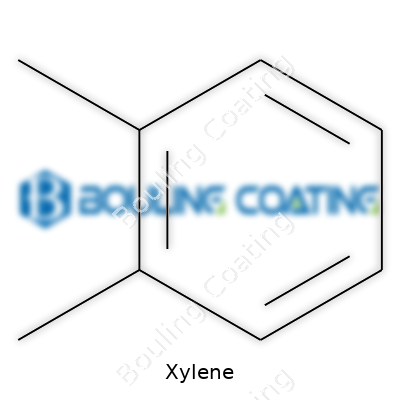
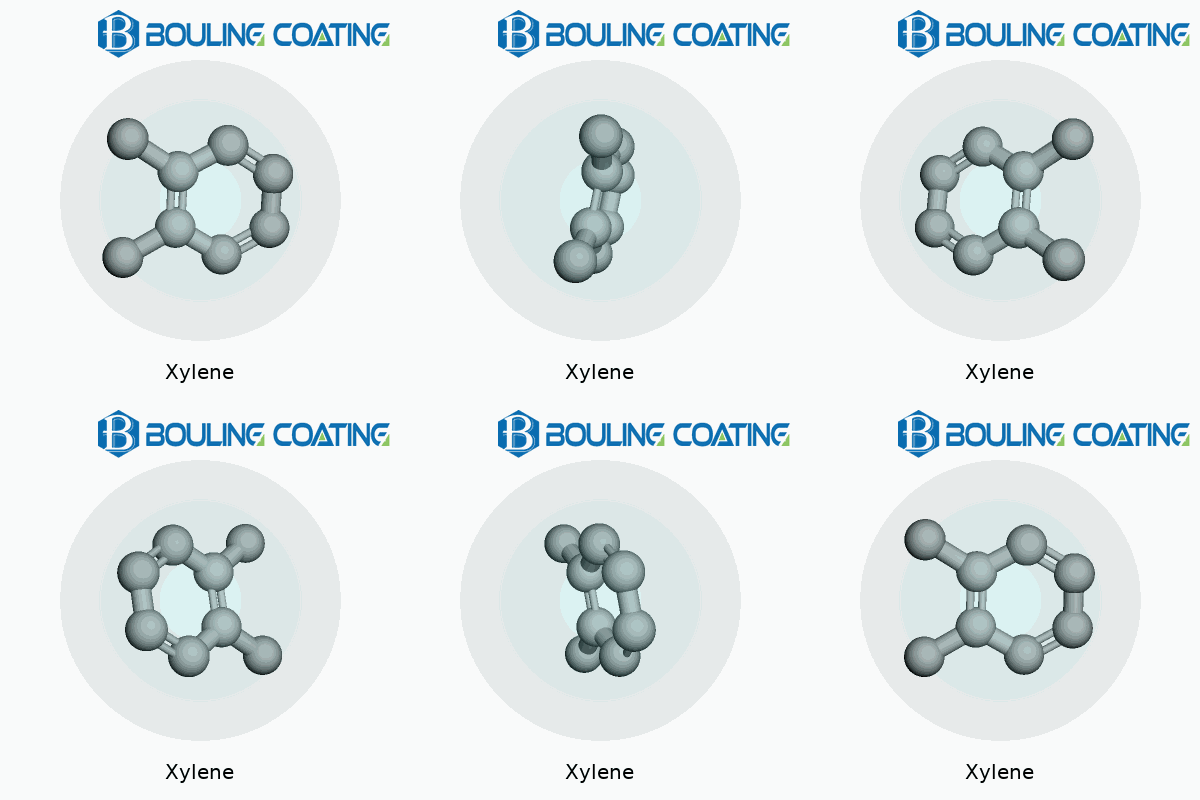
| Names | |
| Preferred IUPAC name | dimethylbenzene |
| Other names |
xylol
dimethylbenzene methyltoluene |
| Pronunciation | /ˈzaɪliːn/ |
| Identifiers | |
| CAS Number | 1330-20-7 |
| 3D model (JSmol) | Cc1cccc(C)c1 |
| Beilstein Reference | 1905492 |
| ChEBI | CHEBI:27338 |
| ChEMBL | CHEMBL464 |
| ChemSpider | 688 |
| DrugBank | DB01636 |
| EC Number | 215-535-7 |
| Gmelin Reference | |
| KEGG | C01700 |
| MeSH | Xylenes |
| PubChem CID | 7809 |
| RTECS number | ZE2100000 |
| UNII | ZUN6Y7Z5Y2 |
| UN number | 1307 |
| Properties | |
| Chemical formula | C8H10 |
| Molar mass | 106.16 g/mol |
| Appearance | Clear, colorless liquid |
| Odor | Sweet, aromatic odor |
| Density | 0.86 g/mL |
| Solubility in water | 0.2 g/L |
| log P | 3.12 |
| Vapor pressure | 8.4 mmHg |
| Acidity (pKa) | pKa ≈ 43 |
| Magnetic susceptibility (χ) | -80.0e-6 cm^3/mol |
| Refractive index (nD) | 1.495 |
| Viscosity | 0.6 mPa·s |
| Dipole moment | o-xylene: 0.62 D; m-xylene: 0.30 D; p-xylene: 0.00 D |
| Thermochemistry | |
| Std molar entropy (S⦵298) | 246.5 J/mol·K |
| Std enthalpy of formation (ΔfH⦵298) | -24.4 kJ/mol |
| Std enthalpy of combustion (ΔcH⦵298) | -4553 kJ/mol |
| Pharmacology | |
| ATC code | P03AX05 |
| Hazards | |
| GHS labelling | GHS labelling: Signal word: Danger; Pictograms: GHS02, GHS07, GHS08; Hazard statements: H225, H304, H312+H332, H315, H319, H336; Precautionary statements: P210, P261, P280, P301+P310, P331, P303+P361+P353, P304+P340+P312, P305+P351+P338, P403+P233, P501. |
| Pictograms | GHS02, GHS07, GHS08 |
| Signal word | Danger |
| Precautionary statements | P210; P233; P240; P241; P242; P243; P261; P264; P270; P271; P280; P301+P310; P302+P352; P303+P361+P353; P304+P340; P305+P351+P338; P312; P321; P330; P332+P313; P337+P313; P362; P363; P370+P378; P403+P233; P405; P501 |
| NFPA 704 (fire diamond) | 2-3-0 |
| Flash point | 27°C (80.6°F) |
| Autoignition temperature | 465°C |
| Explosive limits | 1.1% - 7.0% |
| Lethal dose or concentration | LD50: 4300 mg/kg (oral, rat); LC50: 5000 ppm/4h (inhalation, rat) |
| LD50 (median dose) | 4300 mg/kg |
| NIOSH | ZE2100000 |
| PEL (Permissible) | 100 ppm |
| REL (Recommended) | 100 ppm (435 mg/m3) TWA; 150 ppm (655 mg/m3) STEL |
| IDLH (Immediate danger) | 900 ppm |
| Related compounds | |
| Related compounds |
benzene
toluene ethylbenzene o-xylene m-xylene p-xylene |


